Think globally. Act locally.

Photos by Tracey, Cape Cod National Seashore
One of the things that I like to do in the summer is to catch up on my reading. This past week, I have been reading Richard Powers’ amazing book, The Overstory. In it, the author describes a seven-year-old boy as one who “knows that most of the world is a present for him.”
I consider it an amazing gift to spend summers on the Outer Cape. All those years of reading Henry Thoreau, Henry Beston, Marge Piercy, and Mary Oliver have come full circle. Their stories and imagery come to life for me here.
Every morning, I look out at the water and give thanks for this beautiful and fragile landscape. I also give thanks for my neighbors who work so hard as stewards and keepers of this place:
The shellfish men and women who harvest our oysters, clams, lobsters, and mussels
The deep sea fishermen and women who bring us bluefish, striper, tuna, and swordfish
The farmers who raise our fruits and vegetables and sell them in the local markets
The bakers who make our bread and blueberry muffins
The cooks, waiters, and dishwashers who work in our local restaurants
The shopkeepers and drivers who stock, sell, and deliver items to meet our every need
The women and men who clean up after us
The cashiers who ring up our groceries at the market
The yoga and exercise teachers who stretch our bodies
The doctors, nurses, and vets who take care of us when we’re sick
The painters, sculptors, musicians, and artists who feed our spirits
The lifeguards, police officers, firefighters, and EMTs who keep us safe
For this place and all these people, I offer thanks. But that’s not enough. As the prophet Micah says to the seeker who asks what is required of her, God has told us what is good and what is required: do justice, love kindness, and walk humbly with your God. “Do,” “love”, and “walk” are action verbs that demand we get off of our donkey and help our neighbors.

The New Testament writer of James reminds us that faith without works is dead. When we live out those baptismal promises, though, “They will know we are Christians by our love.” To paraphrase an old camp song, when we work with each other, when we work side by side, we will guard each one's dignity and save each one's pride.
Thus, in our baptismal covenant, we promise to proclaim by word and example the Good News of God, to seek and serve Christ in all persons, to love our neighbors as ourselves, to strive for justice and peace among all people, and to respect the dignity of every human being. The Christian faith is not just a head thing; it involves the heart and hands in a call to action.
With so much facing our nation and our world--with climate change, gun violence, sex trafficking, detention and deportation, the growing gap between rich and poor, bigotry, and hatred all running rampant in the public square--it’s hard to figure out what action to take.
Being a Christian today is really about thinking globally and acting locally. We need to be informed about the big picture; we can’t remain blissfully ignorant. We also need to engage with others to solve those big, complicated issues. An important step is to take meaningful action in our own communities.
Matthew’s Jesus makes it really clear. When we feed, shelter, clothe, visit, and advocate for our brothers and sisters in need, we feed, shelter, clothe, visit and advocate for Christ himself.
The St. James Chapel here in Wellfleet commits to the practice of showing love for neighbors by supporting programs and services that benefit the lives of year-round residents and seasonal workers on the Cape. The aim every year is to donate 50% of the offerings directly to groups that support those in need on the Outer Cape.
Their generous donations support people and programs that serve those who live with physical, mental, and spiritual challenges: isolated and lonely seniors who need help and companionship; workers who can’t afford Cape housing costs; abused women who have nowhere else to turn; the sick and injured who require medical care on the outer Cape; the hungry who need food; local children and youth who can’t afford summer camp; year-round residents who need energy assistance in the middle of the winter; and those living with dementia.
Recently, we hosted our second “Outreach Sunday” at the chapel to learn more about the ongoing needs of local residents and seasonal workers, as well as the services provided by various social agencies to meet those needs. After listening to the sacred texts (Micah, James and Matthew 25), our community outreach partners stood in a sacred circle around God’s table and told us about the social service needs of year-round residents and seasonal workers on the Outer Cape and what the agencies are doing to address those changing needs. After they spoke, the chapel warden, Darcy Hackert, announced that fundraising had exceeded the budget and that the vestry had voted to award an additional $500 to each organization. It was a delightful surprise. Before and after worship, the patio bustled with agency exhibits and lively conversations.
Dorothy Bass has written that Christian practices are shared patterns of activity, in and through which life together takes shape over time in response to and in the light of God, as known in Jesus Christ. Woven together, they form a way of life.
I am blessed to serve at St. James Chapel and witness God’s presence among them.
Meeting the needs of our neighbors is one concrete way to practice our collective faith and to remind each and every one of us of our baptismal obligation to do the same.
Question for Reflection: How are you thinking globally and acting locally?
How Shall We Pray? A reflection on the Lord's Prayer
Adapted from a July 28 sermon at the Chapel of St. James the Fisherman, Wellfleet, MA

The apostle Paul invites us to “pray without ceasing.” Good idea, but how? How shall we pray? Our patron James and his fishing buddies asked Jesus that very question; and Jesus, in turn, taught them to pray what we have come to call the Lord’s Prayer.
Last Sunday, we celebrated the Feast of St. James the Fisherman, taking a deep look at the Lord’s Prayer. But first, I asked the question: What is prayer?
I don’t know about you, but my prayers are usually fairly simple. They often start with “Thank you God,” and then I move on to words like: please, help, heal, give, strengthen, and protect. My prayers frequently include the line: “I’m sorry.” Sometimes, I offer up really profound phrases like: “I’m confused or lost, and I need guidance,” or “I’m tired, frustrated, or hurt, and I need comfort.” Sometimes, like Jacob, I wrestle with God; other times, like Moses, I complain to God; and once in a while, like Abraham, I bargain with God. And yes, there are times, when like Martha, I give God a piece of my mind.
Many of my prayers (and I bet yours, as well) are mundane versions of asking, seeking, and knocking. We come to God as beggars, asking for help and support; we approach God as seekers, looking for answers and advice; and sometimes, we knock on God’s door, in need of hospitality and companionship. These three words – ask, seek, and knock – are really the essence of the prayer that Jesus taught our patron James and the other disciples when they asked him, “Teach us to pray.”
Biblical scholar John Dominic Crossan describes The Lord’s Prayer as both Christianity’s “greatest and strangest prayer . . . a revolutionary manifesto and a hymn of hope.” He writes, “It is a prayer from the heart of Judaism on the lips of Christianity for the conscience of the world.”
In the words of Frederick Buechner, “We are asking God to be God; [and] we are asking God to do not what we want, but what God wants.” We also are praying that we might align our will with God’s will. Ironically, as Aldous Huxley once observed, “This third clause of the Lord’s Prayer is repeated daily by millions who have not the slightest intention of letting any will be done except their own.” Is that true for you and me?
When we pray, “Give us this day our daily bread,” we’re looking to God to both “keep us alive with three square meals” and sustain us in our spiritual journey. In using the first person plural, we also pray that everybody else have enough. Thus, when uttering these words, we’re invited to consider what nourishment or help we actually need, and what we’re doing to provide for the needs of others.

As we pray “forgive us our sins as we forgive those who sin against us,” we are called to recognize our daily need for repentance and forgiveness. We also ask that we might be merciful as God is merciful. Whether we choose the word “sin,” “debt,” or “trespass,” this petition exemplifies Jesus’ new commandment of mutual love, perhaps even suggesting that we are forgiven only so much as we are able to forgive. Therefore, when praying the Lord’s Prayer, we should ask ourselves: What do I need forgiven? For what do I need to forgive others? Or, on whose door do I need to knock?
As we pray the final petition of the Lord’s Prayer, “save us from the time of trial,” or “lead us not into temptation,” we seek God’s companionship that we might remain alert during the challenging times of our lives. In doing so, we are not asking that we might be spared difficulties. Rather, we’re calling upon the love of God to abide with us and to give us strength so that we might pass through such testing, trials, and temptations with perseverance and without abandoning the core of who God has called us to be.
Beginning with James and his fishing buddies, this simple and short prayer has encouraged, comforted, and challenged believers and non-believers throughout the ages. It has been recited in churches, catacombs, colosseums, camps, and on crosses. It has been spoken, sung, chanted, and translated from the original Aramaic into thousands of languages. Over the millennia, the Lord’s Prayer has been faithfully adapted and edited in efforts to be understood in as human language evolves.
However we translate it, when we pray the prayer that Jesus taught, we ask that God will do the seemingly impossible – make the ordinary holy, make the reign of divine justice and peace a reality, lift up the voices of the oppressed, provide whatever is needed in the moment, forgive those who need to be forgiven (including ourselves), and save us all from the time of trial and temptation.

With each passing day, my prayer life becomes increasingly important to my spiritual well being, and as my Frontotemporal Degeneration advances, my conversation with God is becoming increasingly quiet. I joke that I can finally go on a silent retreat. As words diminish, much of my daily prayer is now expressed through movement and music.
The familiar prayers of my childhood are my favorites, and at bedtime, I still find myself praying, “Now I lay me down to sleep. . . .” Every morning, I sing the Shema (“Hear O Israel, the Lord our God, the Lord is one”), for it keeps me connected to my Jewish heritage. I love the prayer of St. Francis, but I’ve lost the ability to recite it from memory. I take comfort in Thomas Merton’s prayer that begins “My Lord God, I have no idea where I am going. I do not see the road ahead of me. I cannot know for certain where it will end,” but I can’t remember the rest of it.
I also love the prayers of praise in our hymnal and those embedded in the music of Taize. I even like some of the psalms, including the contemporary ones of Leonard Cohen, Bob Dylan, Joni Mitchell, Van Morrison, Joan Osborne, and the Airborne Toxic Event.
When I get anxious (which is a major symptom of early-stage dementia), I repeat the prayer mantra: “Be still and know that I am God, and I am here with you.”
But for me, the Lord’s Prayer remains the center of my prayer life. I say it, not once, but many times a day. I recite it upon waking up in the morning and falling asleep at night. I say it while swimming, walking, biking, holding a yoga pose, sitting in traffic, and watering my garden. And it is the prayer I pray most with other people.
The more I pray the Lord’s Prayer, the more confident I become that God’s will can be done on earth as in heaven if we all bend our ears, hearts, and minds to God’s way. And saying it has changed my life and my heart. In fact, every time I pray it, I go deeper into the mystery that is God.
Jodi Picoult, in her 2008 novel entitled, Change of Heart, made this observation about the Lord’s Prayer: “Before I realized what I was doing, my own mouth had started to form the words, a muscle memory. And to my surprise, instead of it feeling false or forced, it made me relieved, as if I had just passed the baton to someone else…It felt like putting on flannel pajamas on a snowy night; like turning on your blinker for the exit that you know will take you home.“
That’s how I feel when I pray these words. They come from a muscle memory deep inside, they signal my way home, and I am confident that they will remain with me, even when my ability to speak is gone. Then, in the stillness and silence of my heart, I will pray: “My God in heaven, holy be your name,”
This morning, I encourage you to “pray without ceasing.” And when you’re not sure how or what to pray, I suggest you try the Lord’s Prayer. In the end, it’s as good as it gets.
Welcoming the Stranger, Jesus Style

When Jesus sent 70 disciples on their first evangelical mission, His instructions were specific and clear: Approach the world with innocent, gentle and trusting grace, as if it’s a friendly universe – even though you will meet those who reject and wish you harm. Do not allow possessions or pretenses to get in your way. Trust God to provide what you need. There’s an urgency to this mission, so don’t get sidetracked, diverted or distracted, but go where you are sent. When you get to your assigned location, knock on the door, and bid “shalom” to its occupants.
Shalom is a wonderful Hebrew word - far more than a friendly greeting. Shalom is a biblical vision of a world with a place of welcome for everybody and enough food and shelter to go around. Shalom is God’s dream for a world where there is no disease, where there are no prisons, no violence, no oppression, no war. Shalom is a commonwealth where everybody gets to enjoy Sabbath rest, including those who put food on our table, make clothes for our bodies, and clean up our mess. Shalom is the divine hope for human beings to live together as sisters and brothers of the one God whom we call by many names and to whom we come by many routes. Shalom is God’s realm where peace, justice and kindness reign. As commonplace a Hebrew greeting as it is, to bid shalom with intentionality is to wish the very best for the one you greet.
Jesus instructs his disciples, if welcomed, to eat whatever is offered and to not look for better accommodations. In other words, they are to be good guests. After receiving the hospitality of strangers, Jesus’ followers are to proclaim in word and deed the kingdom of God - wholeness of body, healing of spirit, and peace for the household and their community.
Idealistic but not naive, Jesus prepares his followers for rejection: “Whenever they do not welcome you, shake the dust off your feet and move on.” As Michael Ondaatje observed in his 2018 novel, Warlight, you “can learn as much from those who bar the door as from those who let [you] in.”
After cautioning his disciples about the inevitability of rejection, Jesus says, “On that day it will be more tolerable for Sodom than for that town.” To be clear, the residents of Sodom were punished not because of homosexuality, but because of their inhospitality and lack of compassion and regard for the stranger. Jesus concludes by reminding the disciples that "Whoever listens to you listens to me, and whoever rejects you rejects me, and whoever rejects me rejects the one who sent me" (Luke 10:16).
Thus, we learn of Jesus’ idea of mission and hospitality. Ambassadors for Christ, including you and I, are simply to be ourselves. Evangelism Jesus-style does not involve great techniques of salesmanship. There are no special tools or gimmicks, no formula and or sales pitches for success. Jesus’ disciples are commissioned to just be gracious, genuine people, sharing in both word and action the love of God. Jesus’ concept of hospitality is simple and clear: if you are the host, welcome the stranger, offering food, drink, shelter, attention, and protection; if you are the guest, receive what is offered with gratitude and thanksgiving.
Imagine being one of those first disciples. Can you see yourself leaving home and going on such a mission? Can you even talk to your next door neighbor, friend, or co-worker about the good news of Jesus or the realm of God? Or imagine receiving one of those disciples in your home. Would you offer hospitality to a stranger who comes in the name of Christ? It’s one thing to hear the Gospel proclaimed on a Sunday morning. It’s another to actually live the Gospel on Monday morning.
In light of what’s happening on the US-Mexican border, let’s think about Jesus’ instructions from the perspective of an immigrant seeking entry into the United States.
Like a loving parent concerned for a child, Jesus says to those who are leaving home and coming to America: “On your way! Go in search of a better life. But be careful—it’s a dangerous journey. Travel light. Be polite to those whom you meet along the road, but don’t loiter. Tread gently on the earth, picking up after yourself. Receive the hospitality that is offered to you without complaint, and don’t neglect to say, ‘Thanks.’ Once you settle in a community, be a source of help, healing and hope. Be prepared for rejection, but know that in rejecting you, they’re also rejecting me.”
Imagine this gospel message from the perspective of our sisters and brothers (the vast majority of whom are Christian) coming from Central America (usually walking) to the US in search of asylum, protection, freedom, and relief from the violence, war, and economic hopelessness in their native lands. Imagine this gospel proclaimed in detention centers, tent communities, migrant camps, and churches with undocumented parishioners. Like our immigrant ancestors, the hundreds of thousands of men, women, children, and infants coming to this country are not seeking to take advantage of us. Rather, they hope to start a new life among us.

For over a decade, I served a church where the majority of my parishioners were immigrants, coming from the Caribbean, Latin America, and Africa. Many of them were or had been undocumented for a period of time, and some had fled their homelands with only the clothes on their backs. Their first-hand accounts were often tragic and terrifying.
During those years, I would make an annual pilgrimage to Ellis Island as a way of connecting my congregation’s immigrant experience with that of my paternal great grandparents, who, like forty percent of all Americans, immigrated through what has been called an “island of hope and tears.”
Walking the vast empty halls, looking at old photos, and listening to tape-recorded voices, I could hear and see echoes of my own immigrant heritage. Reading the words of Emma Lazarus inscribed on the Statue of Liberty reminded me of what people have been willing to sacrifice for freedom, hope, prosperity and peace: “Give me your tired, your poor, your huddled masses yearning to breathe free…”
The immigrants who have settled in the United States — whether they were 17th century British pilgrims on the Mayflower; masses of European immigrants in the steerage of 19th century steamships; or recent arrivals from Asia, Africa, and the Americas landing at Miami, Newark, and Los Angeles airports, or crossing borders in Texas, Arizona, and New Mexico — have come to this nation bringing new hopes, new dreams, and new lives in search of freedom.
For those who came to this land in chains, shackled in the bottom holds of slave ships, freedom became the quest after they arrived. And for some, as the old spiritual reminds us, freedom came only with death.
What makes us all Americans is our quest for freedom. When we’re seeking it, it’s all we can think of, and we are willing to take enormous risks for it. Once we have it (especially those who have had it all our lives), most of us tend to take it for granted, and some of us want to deny it to others.
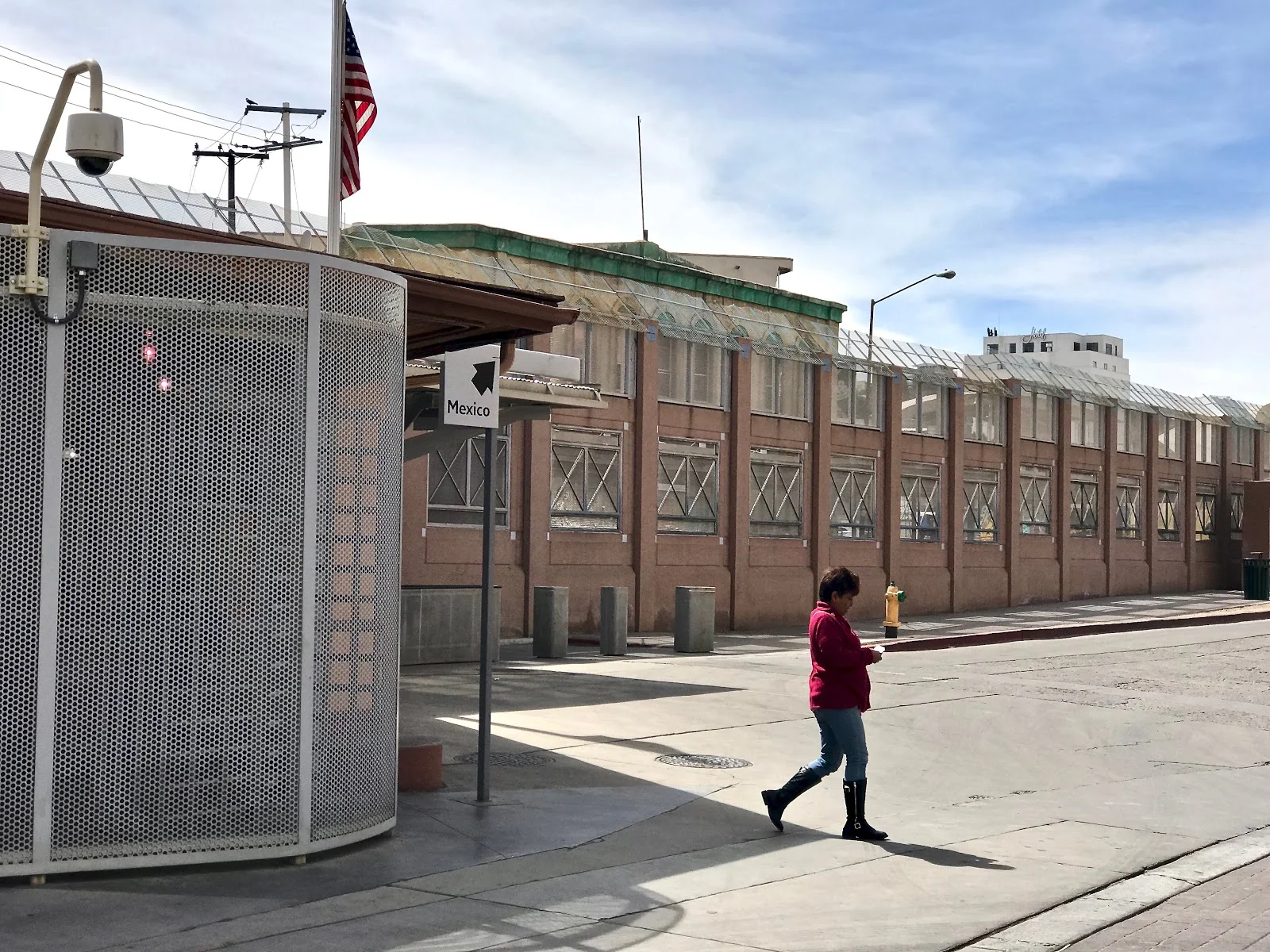
Undocumented immigrants, disparaged as “dangerous and illegal" by those who want them out of this country, present a moral dilemma for people of faith. When it comes to immigration, the biblical values of welcome and hospitality have been discarded.
As people of faith, we must speak up and act. I believe Jesus is calling us to educate, donate, advocate, and, yes, vote
First and foremost, we must educate ourselves about immigration in this country. To be informed citizens, we need to learn about the history of immigration. We need to understand the present crisis at the border: what is really happening and why it is happening. We also need to study both the root causes for the surge in world-wide migration and the vast and varied solutions for a just and comprehensive immigration policy.
Once we are educated, we are called to act. We can donate to organizations that provide assistance to immigrants on the border and in local communities and to NGOs working in countries of war, starvation and strife. Some might feel called to volunteer their time and talent with such efforts. Others might feel called to offer an undocumented family sanctuary in their home.
I know from experience that people of faith can be very effective advocates in this immigration crisis. We can communicate with legislators and write op-Eds to our local newspapers. We can show up at demonstrations and vigils. We can even bear witness at the border and at local ICE offices.
Vigils will be held across the country on July 12 as part of a national day of concern and action. I intend to show up, and I hope some of you will join me.

Details about local Lights for Liberty vigils across the country can be found online here.
Finally, when the time comes, people of faith can and should express their values at the polling booth. That is how democracy works. We show up and vote.
Yes, we do have an immigration, humanitarian and political crisis. And it’s not going away anytime soon. So, heeding the words of Paul’s letter the church in Galatia: “Let us not grow weary in doing what is right, for we will reap at harvest time, if we do not give up. So then, whenever we have an opportunity, let us work for the good of all, and especially for those of the family of faith.” (Galatians 6:9)
Reflections on Stonewall from a Retired Gay Episcopal Priest

Last week marked the 50th anniversary of the Stonewall Riots. On June 28, 1969, police raided the Stonewall Inn, a Greenwich Village gay bar. Such raids were fairly common. Folks would run or get arrested (or both), and life would go on. But on that memorable night, Stonewall patrons — led by a group of transgender women of color — didn’t run, and instead, they resisted arrest, sparking two days of violent protests. After the Stonewall Uprising, protestors were motivated to organize against the unjust treatment of the LGBTQ community by police and society at large, leading to New York’s first gay rights march a year later.
Over the last half-century, the LGBTQ community has come out, stood up, held hands, and followed the way of freedom. Like Jesus and the first disciples, many of us bid farewell to our homes, families, jobs, churches, and reputations.
Jesus teaches us about a way of life that is all-too-familiar to the LGBTQ community. When refused hospitality by a Samaritan village, two of his disciples asked: “Lord, do you want us to call a bolt of lightning down out of the sky and incinerate them?” Jesus responded: “Of course not. Let’s just move on.” The gay community knows all-too-well what it means to kick off the dust of rejection and keep walking.
On the road to Jerusalem, Jesus encountered three types of people. And to each, he explained a different cost of freedom in Christ.
To the one who said “I will follow you wherever you go,” Jesus offered a reminder that he would face a life of insecurity. The LGBTQ community knows what it’s like to lose jobs, homes, families, friends, and even their lives because of their sexuality and gender identity.
To the one who said “Let me first bury my father,” Jesus’ response, “let the dead bury the dead,” seems curt and insensitive. Yet, the gay community knows what it’s like to not be welcome at family funerals. And not only that, but we know what it’s like to bury each other when our families have rejected us.
To the one who said “I will follow you, but first excuse me while I get things straightened out at home,” Jesus said, “Don’t look back. Carpe Diem. ” As most LGBTQ folks know, once you’ve opened the closet door, it’s really hard to close it again.
I vividly recall, coming out 45 years ago, the first time I told someone I was gay, the first time I walked into a gay bar, marched in a Pride Parade, and visited Provincetown, MA. Contemplating the recent election of two openly gay bishops, I recognize how much has changed since I came out in the ordination process, made public witness during the 1995 Episcopal Church heresy trial, was installed as the first lesbian cathedral dean, and stood for Episcopal election. When I read wedding announcements in the Sunday Times, I remember lobbying for marriage equality and weeping when the Supreme Court rendered its decision on same-sex marriage. And watching the Democratic debates this past week, I marveled at the sight of a young, married, gay Episcopalian from Indiana running for President of the United States.
As I reflect on the fiftieth anniversary of Stonewall, I am reminded of John Fortunato’s Embracing the Journey. An intimate, courageous and hopeful book — written in 1982 by a gay, Episcopal, psychotherapist — it was an early treatise on holding sexual identity and Christian faith together.
Recalling one night during a particularly challenging time, Fortunato described a conversation with God. Imagining that God was sitting on the couch right in front of him, Fortunato spoke:
“You know, sometimes I think they’re right, that being gay and loving a man is wrong.”
God smiled and said quietly, “How can love be wrong? It all comes from me.”
[But Fortunato needed more.] “Sometimes, I just want to bury that part of me.” [he] said, “just pretend that it isn’t real.”
“But I made you whole,” God replied. “You are one as I am one. I made you in my image...You’re my son...Nothing can separate you from my love…”
“What do I do with all this?” [Fortunato] asked..“What do I do with them?”
And in the same calm voice, God said, “I’ve given you gifts. Share them. I’ve given you light. Brighten the world. I empower you with my love. Love them.”
“Love them anyway?” [he] moaned. “But how?”
“You begin by just being who you are.”
“Is that all?” [he] asked fearfully.
“No, you must also speak your pain and affirm the wholeness I’ve made you to be when they assail it. You must protest when you are treated as less than a child of mine.”
“Is there more?” [he] asked.
“Yes,” God said gently, “And this is the hardest part of all. You must go out and teach them. Help them to know of their dependence on me for all that they really are, and of their helplessness without. Teach them that their ways are not my ways, and that the world of their imagining is not the world I have made. Help them to see that all creation is one as I am one, and that all I create I redeem. And assure them by word and work and example that my love is boundless, and that I am with them always.”
“You know they won’t listen to me,” [Fortunato] said with resignation. “They’ll despise me, They’ll call me a heretic and laugh me to scorn. They’ll persecute and torment me. They’ll try to destroy me. You know they will, don’t you?”
And God said softly, “O, yes, I know. How well I know.”
If that’s not the way of Jesus, I don’t know what is.
When I was younger, I had a vision that everybody who was lesbian, gay, bisexual and transgendered would turn purple at the same time. Then my vision grew. I envisioned that everybody who had a lesbian, gay, bisexual, or transgendered spouse, parent, or child would turn purple. I envisioned that everybody who had a lesbian, gay, bisexual, or transgendered doctor, dentist, pharmacist, lawyer, accountant, realtor, insurance agent, teacher, hairdresser, legislator, rabbi, or minister would turn purple. And I envisioned that everybody who had a lesbian, gay, bisexual, or transgendered relative, friend, neighbor, student, employee, or employer would turn purple. By the time I was finished, the world was a beautiful tapestry of richly woven purple: the conversation had changed, the hearts of the people had changed, and the policies of our governments had changed.
As I matured, I came to understand that it wasn’t going to happen that way. God doesn’t do our liberation work for us. We had to turn ourselves purple. We had to change the conversation, win the hearts of the people, and secure our rightful place in family, church, and society one-step-at-a-time by being open and true to who we are. And God would be with us in the trenches. That is the promise of salvation.
Yes, the LGBTQ community has come a long way over the past fifty years. Some would say that we’ve become too established, comfortable, and even hetero-normative. Personally, I don’t agree with this perspective. However, as tempting as it may be, we cannot enjoy our victories and ignore the pain and injustice still faced by others.
I am grateful for those who, in every generation, stand up and walk together in the face of oppression and in the name of love with their faces toward Jerusalem. Let us also pledge to continue the work of proclaiming God’s justice, love, and mercy for all God’s people.
Honoring the Life of Marge Christie: A pioneer and a 'laughing prophet'
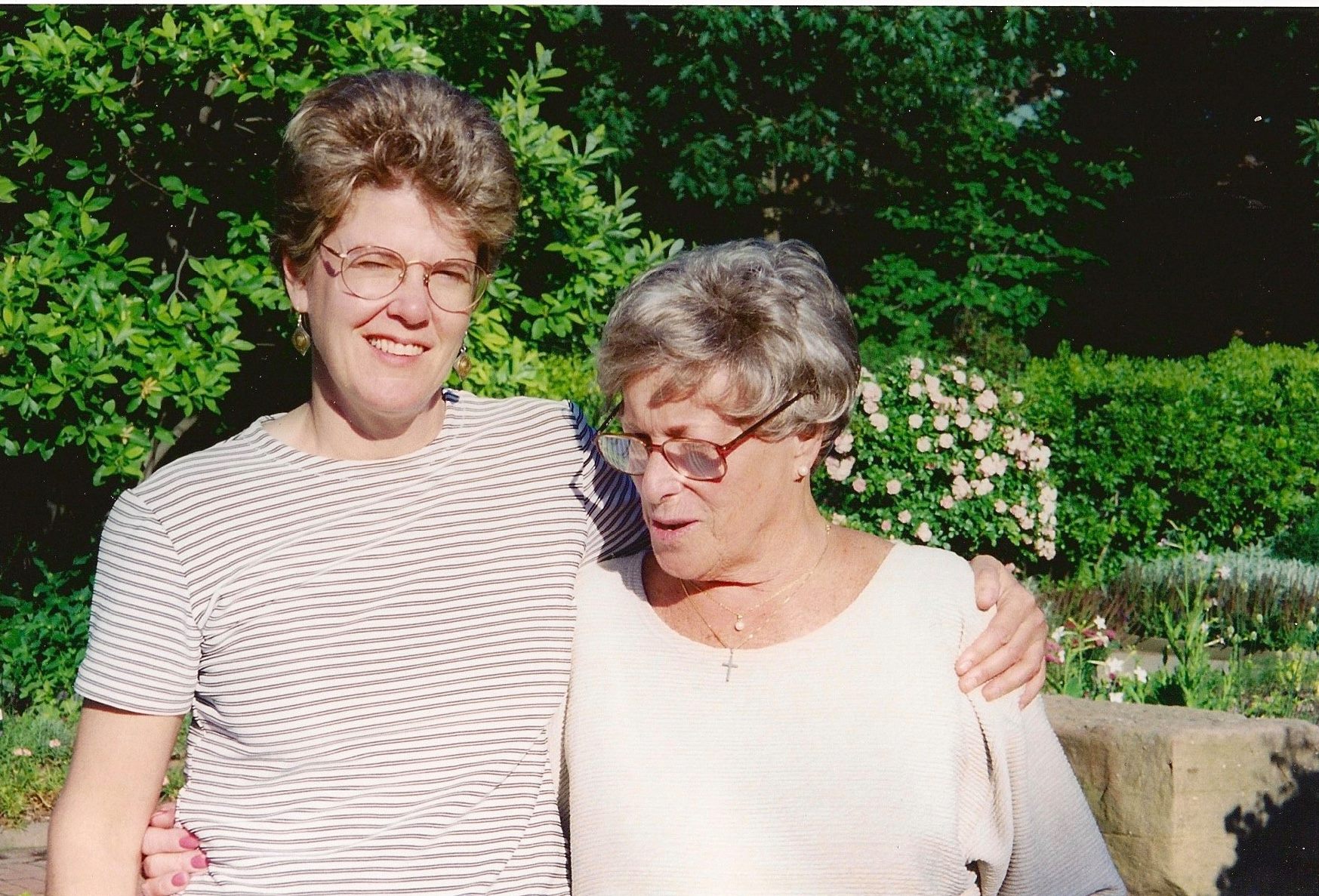
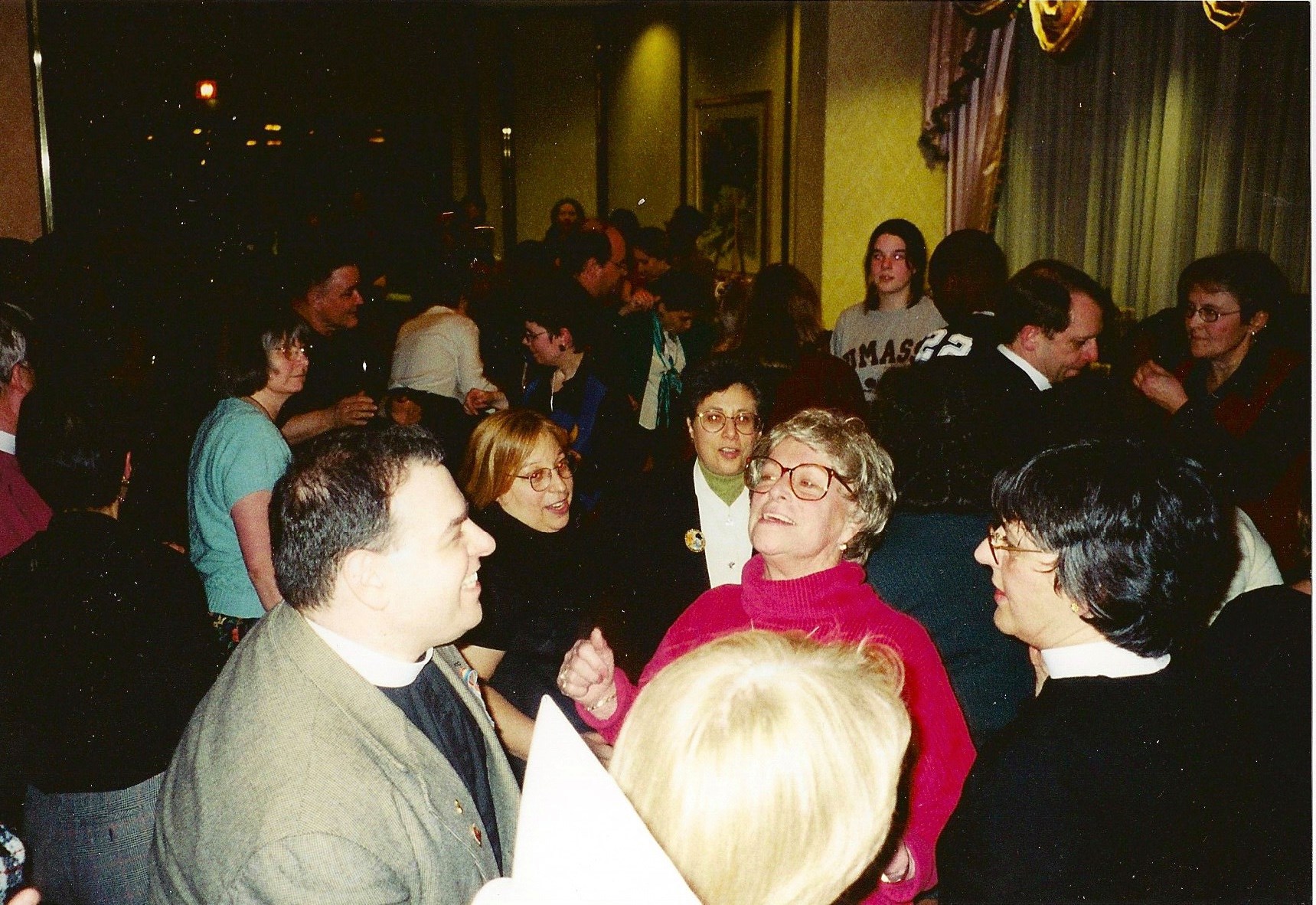
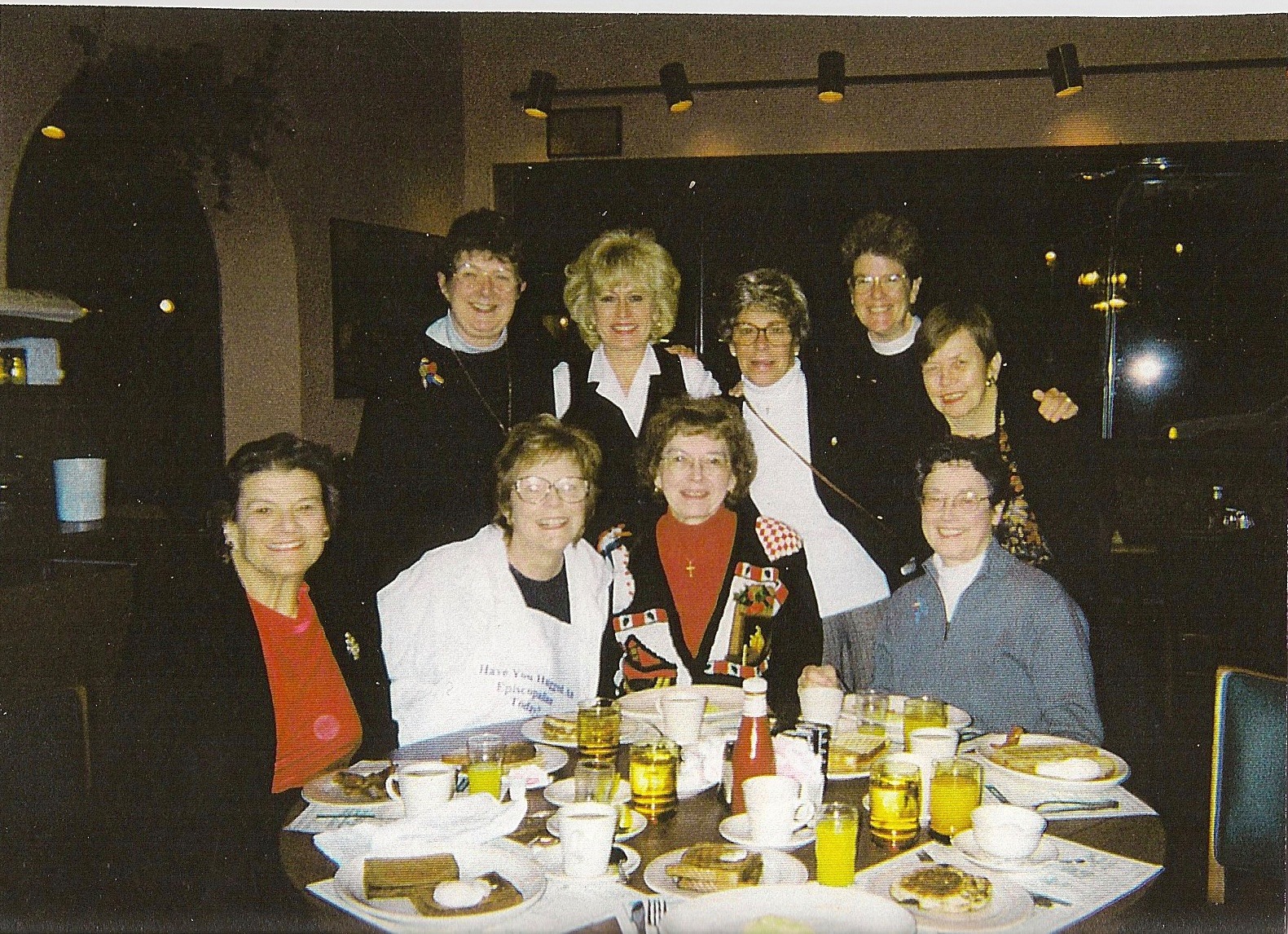
Excerpts from a June 8 sermon at Christ Episcopal Church, Ridgewood
What can I say about Marge Christie that hasn’t already been said in newspaper articles, speeches, commendations and facebook posts? Marge was admired, respected, liked and loved by so many.
Not surprising.
She was a capable leader, advocate, organizer, board member, fundraiser, and politician (with a small “p”). She was a trustworthy friend, a considerate neighbor and a faithful parishioner. She was an attentive aunt, cousin and sister, and a devoted wife, mother, grandmother, mother-in-law, daughter and daughter-in-law. And in all of these roles, Marge generously gave and received love.
Marge knew herself to be a beloved child of God, and no matter how frustrated, irritated or angry she got with someone, she believed that everyone — no exceptions — is loved by God. Marge understood what it means to love God and neighbor; and through love, this remarkable woman changed the world. She moved the arc of justice and the way of kindness a little further on the path to God’s shalom.
Marge also loved stories. She loved to hear them, and she loved to tell them (in great detail). I still treasure the many hours spent with Marge listening to her stories, sometimes over and over again. She would often say, “Did I tell you about the time….” and then before I could say anything, Marge would be off and running with some story about her childhood, her children, her marriage, or her favorite non-familial topic, the church. Listening to Marge’s stories was better than taking a class in Episcopal Church history; and in her file cabinet, she had an archive of the justice movement.
So today, I want to tell you a few stories that describe the Marge Christie I knew and loved.
Marge was a respected and accomplished leader in our church before women were permitted to serve in many leadership roles. Her service began in 1970 when women first were seated as general convention deputies. She would often talk about watching with pride those first women take their place on the convention floor. Soon thereafter, Marge was elected to serve as a deputy from the Diocese of Newark and served for 13 consecutive terms, until her last convention, when as first alternate, she sat beside her granddaughter, Caroline, who was elected deputy at age 17.
From her deputy position, Marge worked tirelessly for social and economic justice, including the ordination of women and LGBT folks, reproductive choice, and marriage equality. In an interview for the Episcopal News Service, Marge recalled in July 1974 being on vacation at the Jersey shore, she read a front-page article in The New York Times saying some women were going to be ordained as priests in Philadelphia. She assumed that her bishop George Rath would be among the consecrators and wrote him a congratulatory letter. Bishop Rath wrote back explaining that he would not participate because he was waiting for the church to make a legislative decision permitting women’s ordination to the priesthood. In response, Marge said “That was a disappointment. You do have to be a pioneer sometimes and take some risks.” And so, she went to the ordination of the “Philadelphia eleven,” and returned home to move the church’s legislative process forward.
When women’s ordination was finally authorized by the General Convention in 1976, an angry male priest gave Marge a clergy collar saying, “Now you can get ordained and wear this collar.” Marge graciously accepted the collar but declined to wear it, except once for an after-hours hospital visit. You see, Marge never wanted to be ordained. Rather, she understood herself to be ordained through baptism to the first order of ministry — the priesthood of all believers.
For over forty years, that clergy collar hung proudly in her study alongside her deputy badges, yellow ribbons signifying senior status, and name tags from just about every meeting she ever attended. Her clergy collar was often the occasion for Marge’s telling of the story of women’s ordination in the Episcopal Church. And that clergy collar became a symbol for Marge as she continued to work for the full inclusion and just treatment of all God’s children in both church and society.
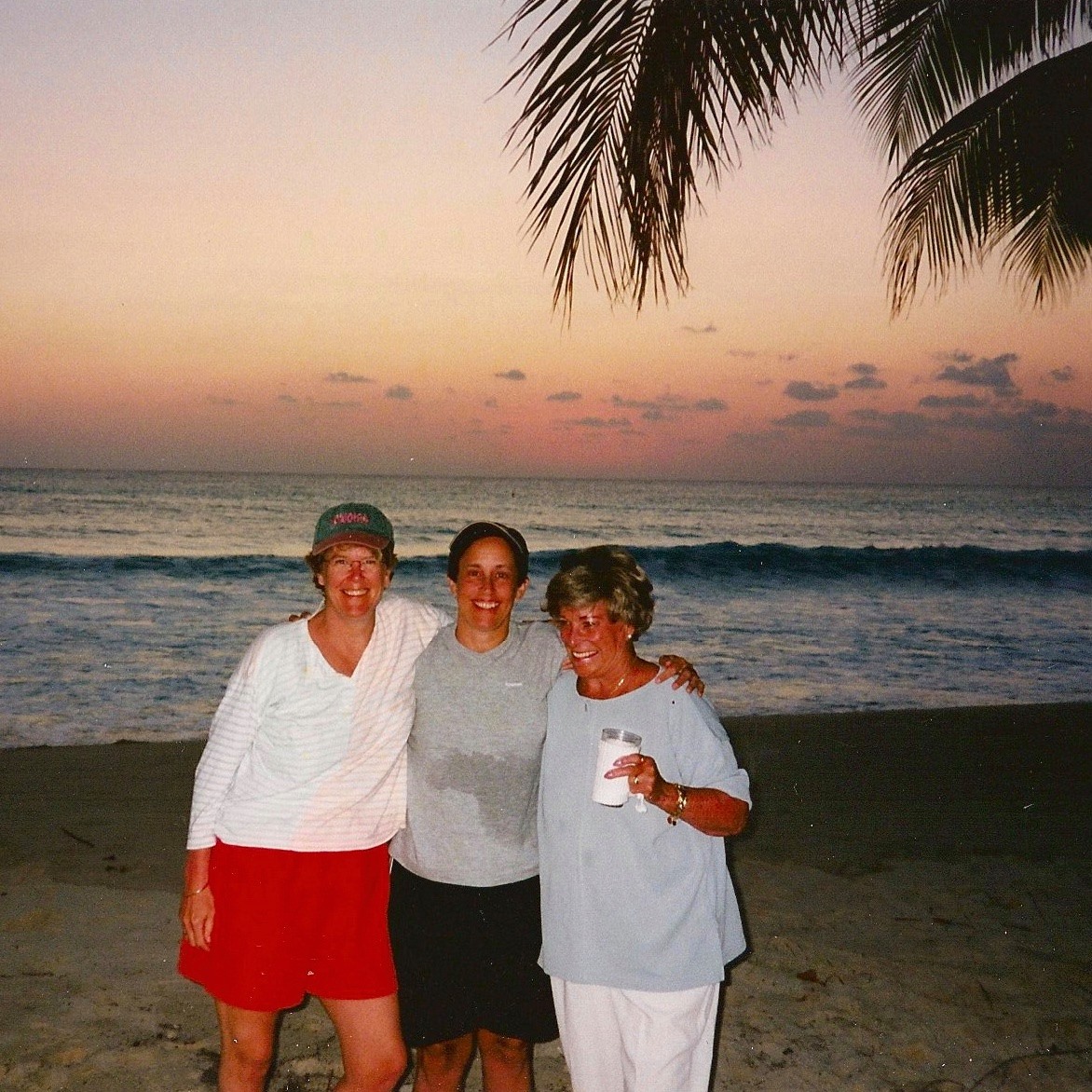
Marge loved to travel. For a woman who lived her entire life in Northern NJ, she traveled to almost every continent on earth, often in the name of the Episcopal Church, and frequently in search of sunshine. I still can see Marge sitting on the beach, sailing a boat, driving in her convertible, or lounging on her back deck in early spring as she “worked” on her tan. By the end of her life, I think Marge’s legs were permanently embedded with the tint of sunshine.
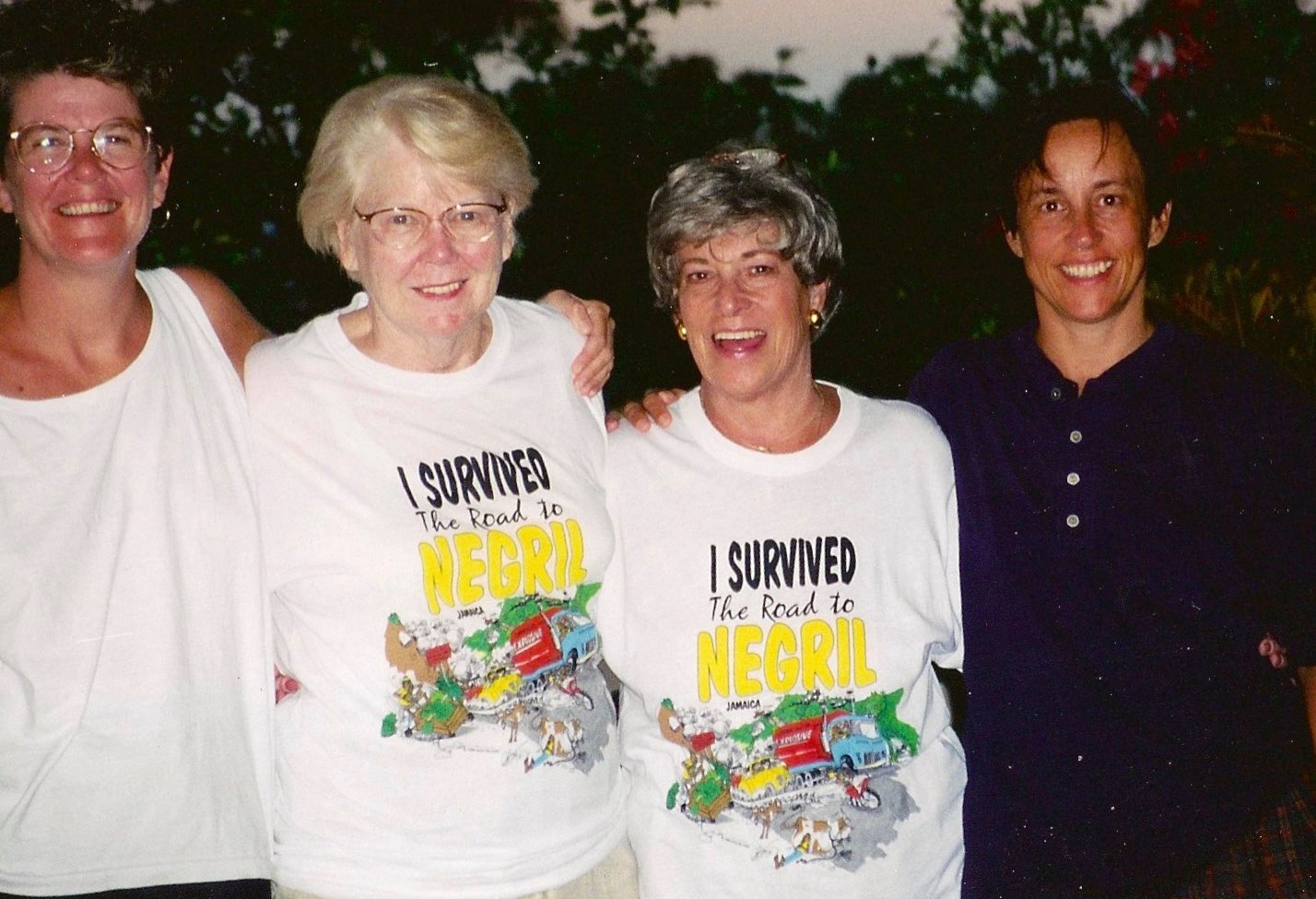
One winter, Linda and I convinced our two mothers to take us on vacation to Jamaica. Our week was filled with eating food foreign to our mothers’ taste buds; driving all over the island on the left side of narrow, winding roads with our mothers laughing and screaming in the back seat. We read on the beach during the day; played card games at night; and yes, “worked” on our tans. Marge simply couldn’t get enough sun. My mother (five years Marge’s senior) would quietly whisper to me: “She’s going pay for all that sun exposure someday.” I don’t think she ever did.
Born in the 1920s and living till almost 2020, Marge was a woman both of her time and ahead of her time. As much of a feminist as she was, Marge was also a traditional homemaker who valued family more than anything else. While she had a short career as a secretary, she had a long vocation as wife, mother, and community volunteer.
It was always important to Marge that she be home in the evening and on weekends. I can recall more than one occasion when Marge complained about evening church meetings. She said it wasn’t good for family life, and it interfered with Jeopardy.
When George got sick, I had the privilege of seeing yet another side of Marge. She sat day and night by George’s bedside at Valley Hospital. And when he died, she said goodbye and shed her tears; and then, meticulously planned his funeral, supported her children in their grief, established a scholarship fund in his memory, and began a new chapter in her own life.
So how do I remember Marge? She was one of the most compassionate, faithful, practical, creative, playful, optimistic, and loving individuals I’ve ever met.
I will remember her lying on a beach, walking through a convention hall, standing at a podium, and sitting at a card table. I will remember her beaming over George and bragging about her children - Linda, Stewart, Dave, and Ross; her daughters-in-law - Cathie and Rosemary; and her precious grandchildren - Vanessa, Kyle. Emma, Graham, Caroline and Lauren.
I will remember Marge marching for women’s choice, LGBT rights, healthcare for all, world peace, and urban justice. I will recall her speaking at the United Nations, the New Jersey statehouse, and our nation’s capital.
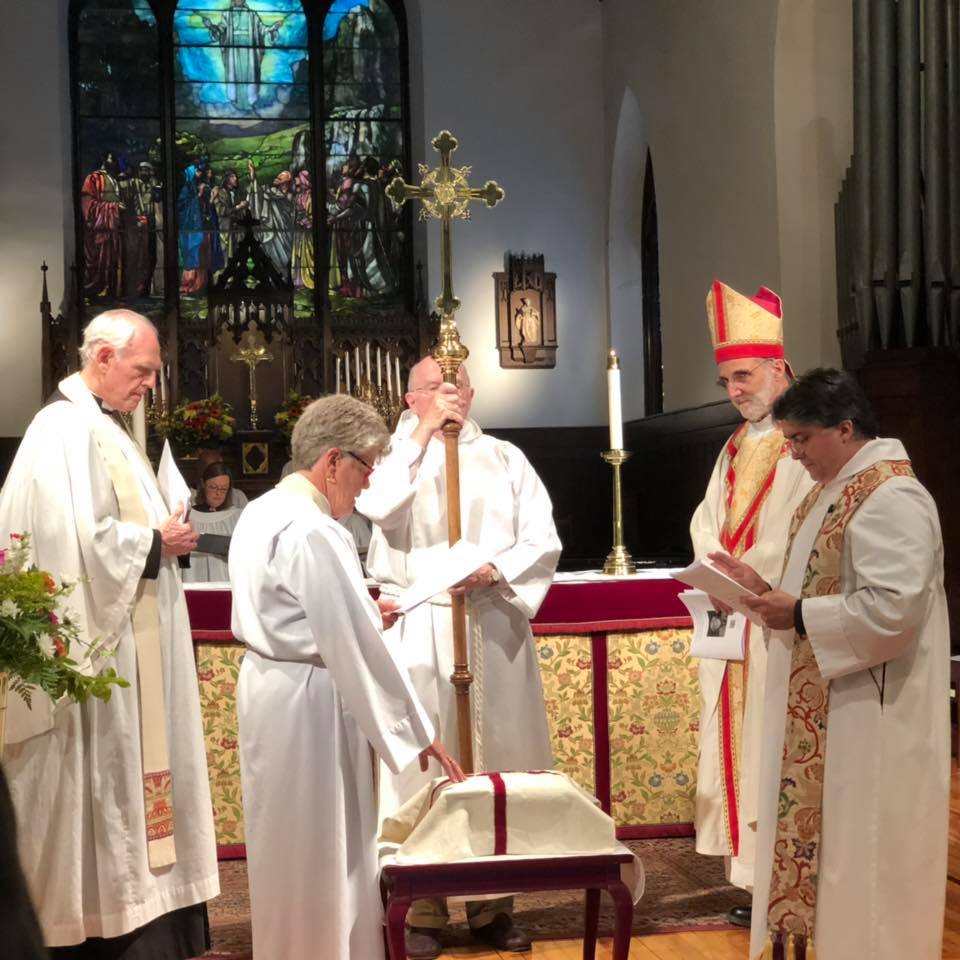
I will remember Marge presenting dozens of women and men for ordination to all orders in the Episcopal Church, always reminding each of us of our first ordination through baptism.
I will remember Marge carrying her General Convention blue book around for weeks as she read every word of it. I will remember her crafting a resolution, working a room, chairing a committee and moderating a debate.
I will remember Marge giggling during silent breakfast on a women’s retreat, wearing silly t-shirts, riding a camel in the desert, speeding down highways in her convertible, sailing in brisk winds, decorating her house for the holidays, jumping in ocean waves, and dancing at weddings and Diocesan Conventions.
I will remember Marge chatting with friends over breakfast at the Daily Treat or while packing up boxes for Northporch. I will recall her playing “Jeopardy” or “Wait, Wait Don’t Tell Me” as if she were a contestant. I will remember her recounting the details of Long Beach Island family vacations, complete with card games, ice cream, sunfish regattas, and croquet opens. I will remember her driving cross-country with me when I moved to Ohio.
I will remember Marge accompanying Linda and Rosemary to their wedding in Canada and looking at her own wedding picture as she sat by George’s hospital bed.
I will remember her praying with the 8 o’clock congregation on Sunday mornings followed by brunch with Bloody Mary’s and reading of the New York Times from cover to cover till she fell asleep in her chair.
In all these ways and so many more, I will remember Marge Christie as fully present to life.
In the Gospel of John (John 14:2) we are all assured of a place in God’s eternal realm. I like to imagine what each of our “rooms” in God’s mansion might look like.
Here’s how I see Marge’s room. It’s spacious and sun-filled, with an unobstructed view of the ocean. There’s a little convertible parked outside with Marge’s beaded baseball cap hanging on the rear view mirror. There are lots of books on the shelves, and photos of family and friends on the walls. There’s the sound of classical music on the radio and jeopardy on the television. There’s a card table readied for the next game of bridge, argentine rummy, or oh shit. There’s a bottle of Carlos Rossi wine chilling in fridge with a plate of Cheese Whiz and Ritz crackers. On the desk, there are carefully organized stacks of heavenly reports to be read, marked and inwardly digested; and sitting by the front door, are bags of canned food ready to go to heaven’s nearest food pantry. There’s the smell of Marge’s open-faced, buttered, steak sandwiches simmering on the stove. And there’s the sound of laughter has Marge catches up with all those who have gone before her.
Louie Crew once called Marge, “The Laughing Prophet.” In a birthday message, he penned: “Prophets tell us what we’re doing wrong and warn us, “Rethink! Rethink! But laugh?! Marge, clearly you do both. You even hinted how. In reflecting on General Convention 2006, [Marge] wrote: ‘I picked up a thought somewhere which helps me to keep the actions in balance: ‘Searching for God is the first thing and the last, but in between such trouble and such pain.’ [Louie responded]: Your rich laughter models how to survive any trouble and pain as we search for God.”
It’s so true. Marge’s rich laughter, combined with her passion for justice and her love for us all has helped many of us survive trouble and pain as we live our lives in search of God. As one who has been deeply touched by Marge’s laughter, passion, and love, I am profoundly grateful.
So to the woman who loved beach time and sunshine, loved her church and her home, loved her friends and neighbors (nearby and far away), loved her children and grandchildren, loved her George, loved her life, and loved her God, I say thank you and bless you. Servant well done!