First Photos: #ThroughMyLensC19
In a world with COVID-19, my daily walks have become a lifeline and my iPhone camera a constant companion. Below is the first in a series of photos that capture this moment in time, for me.
I hope you’ll join me in making and sharing photos of our time apart. You can join the conversation on Facebook and Instagram. #ThroughMyLensC19
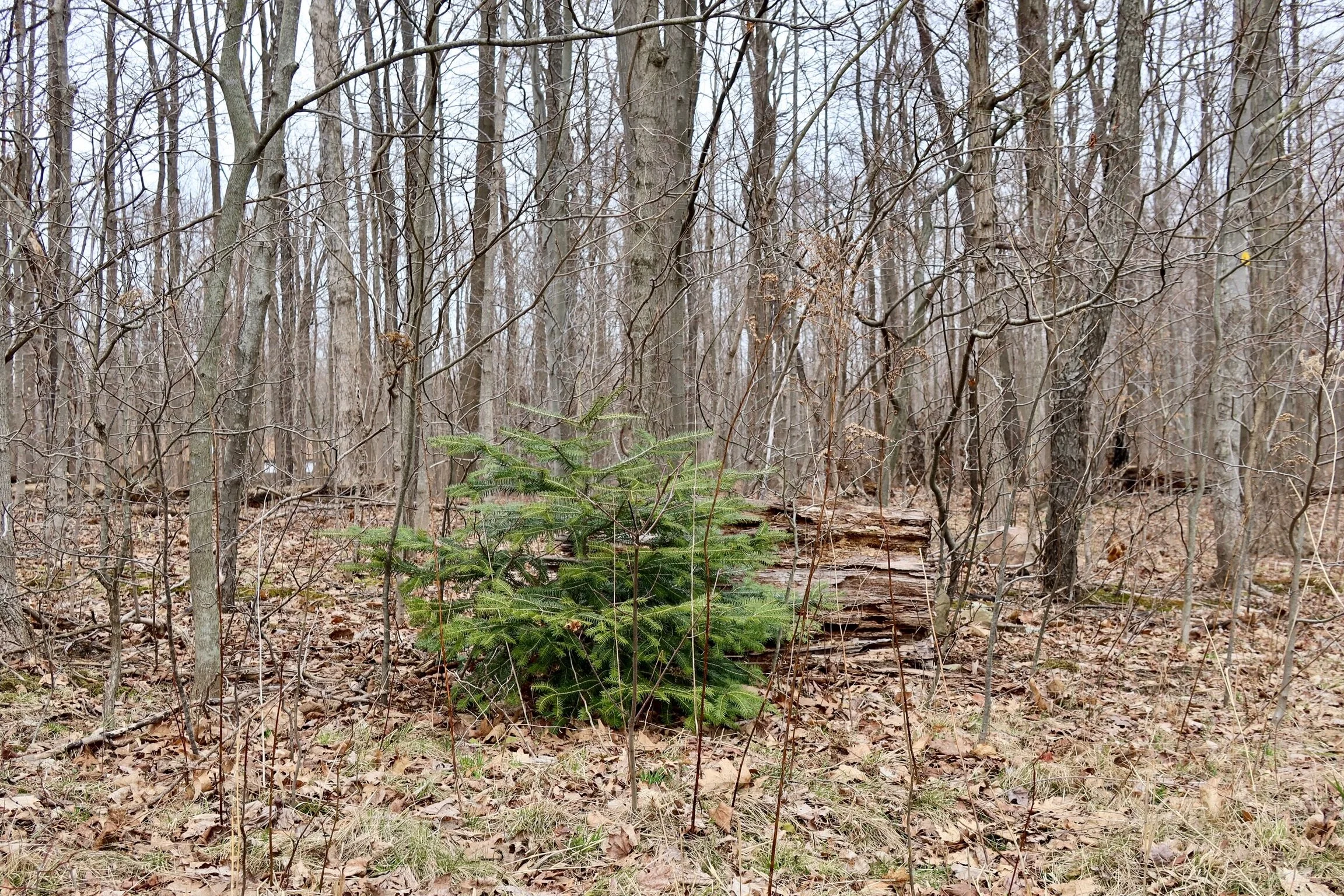
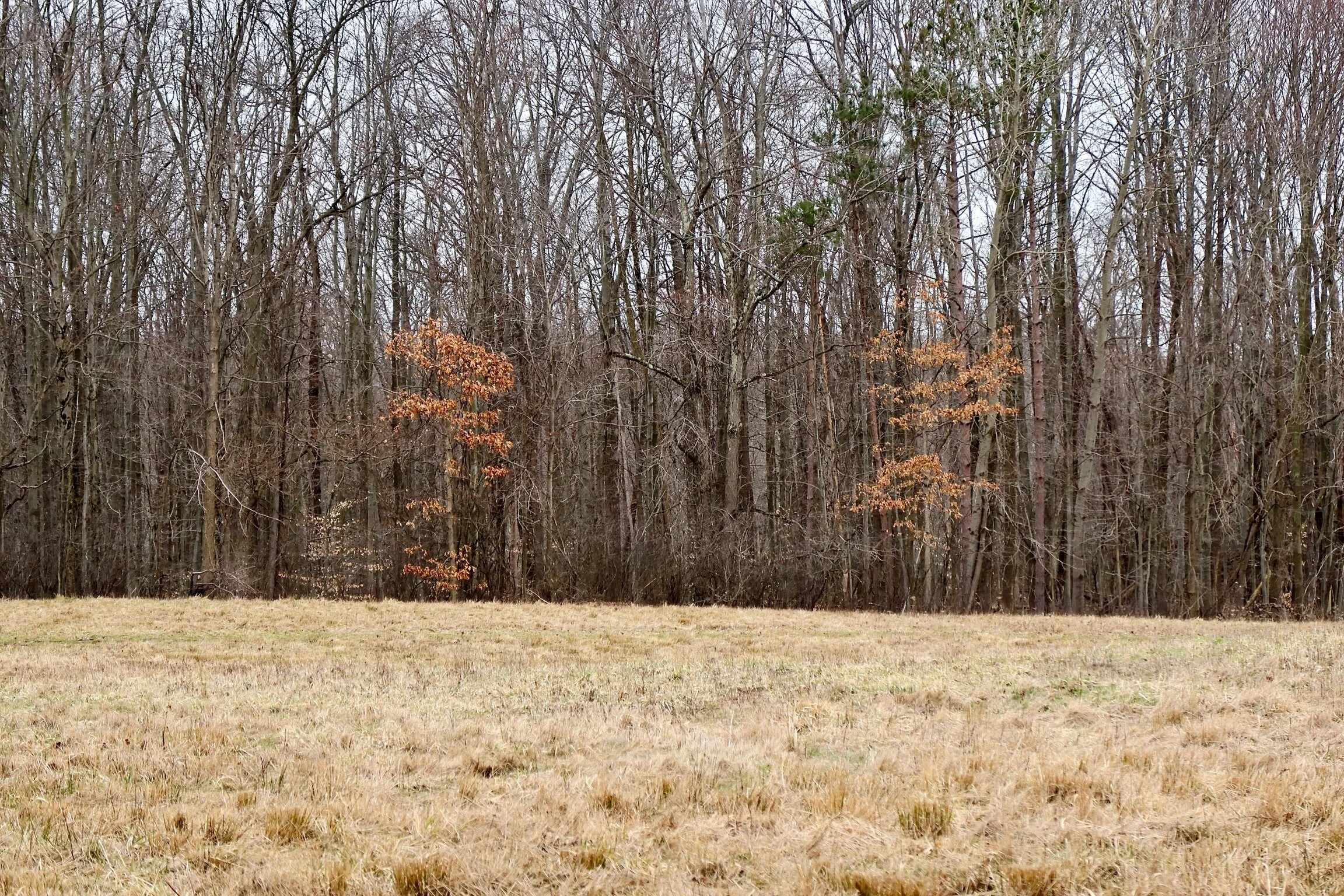
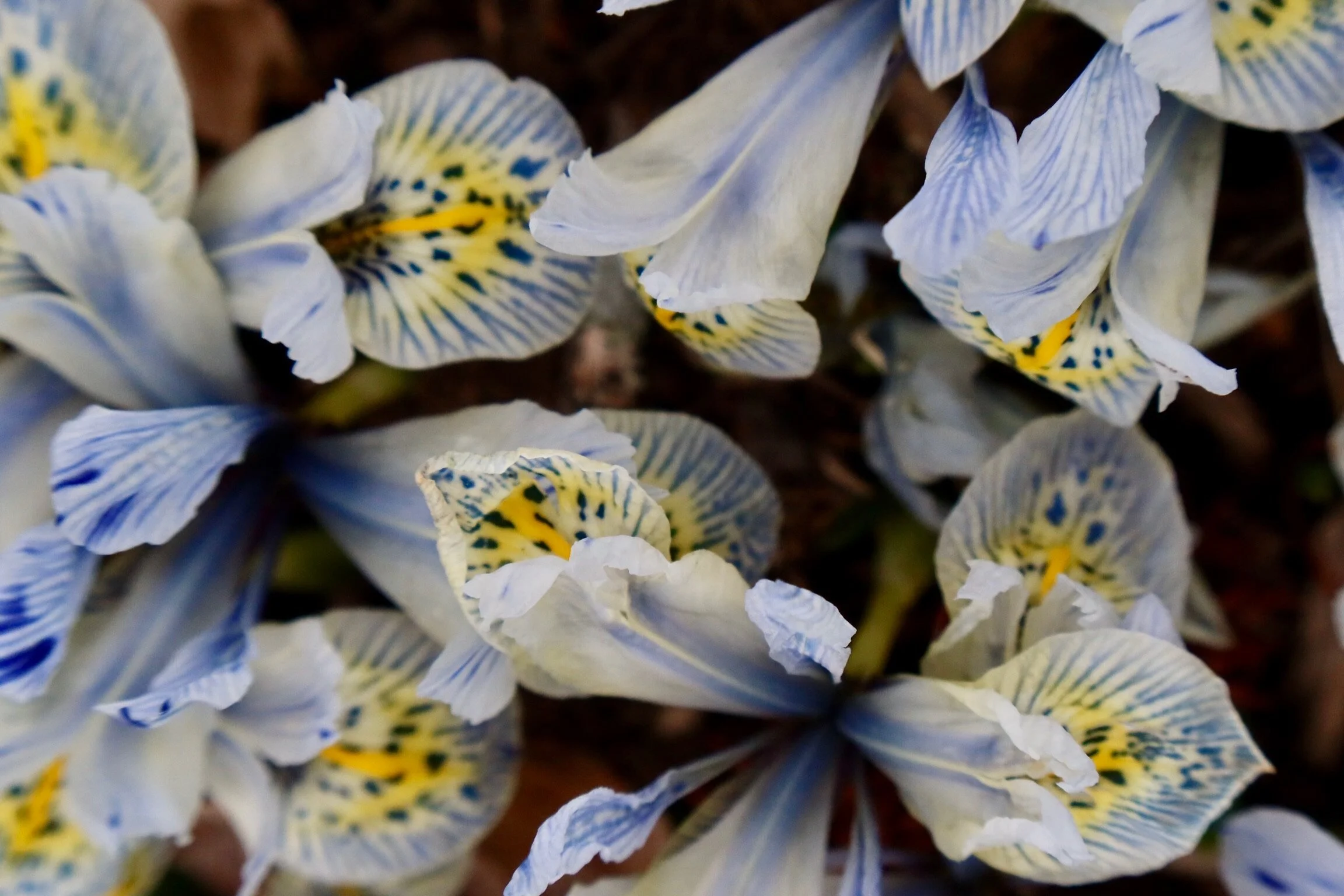
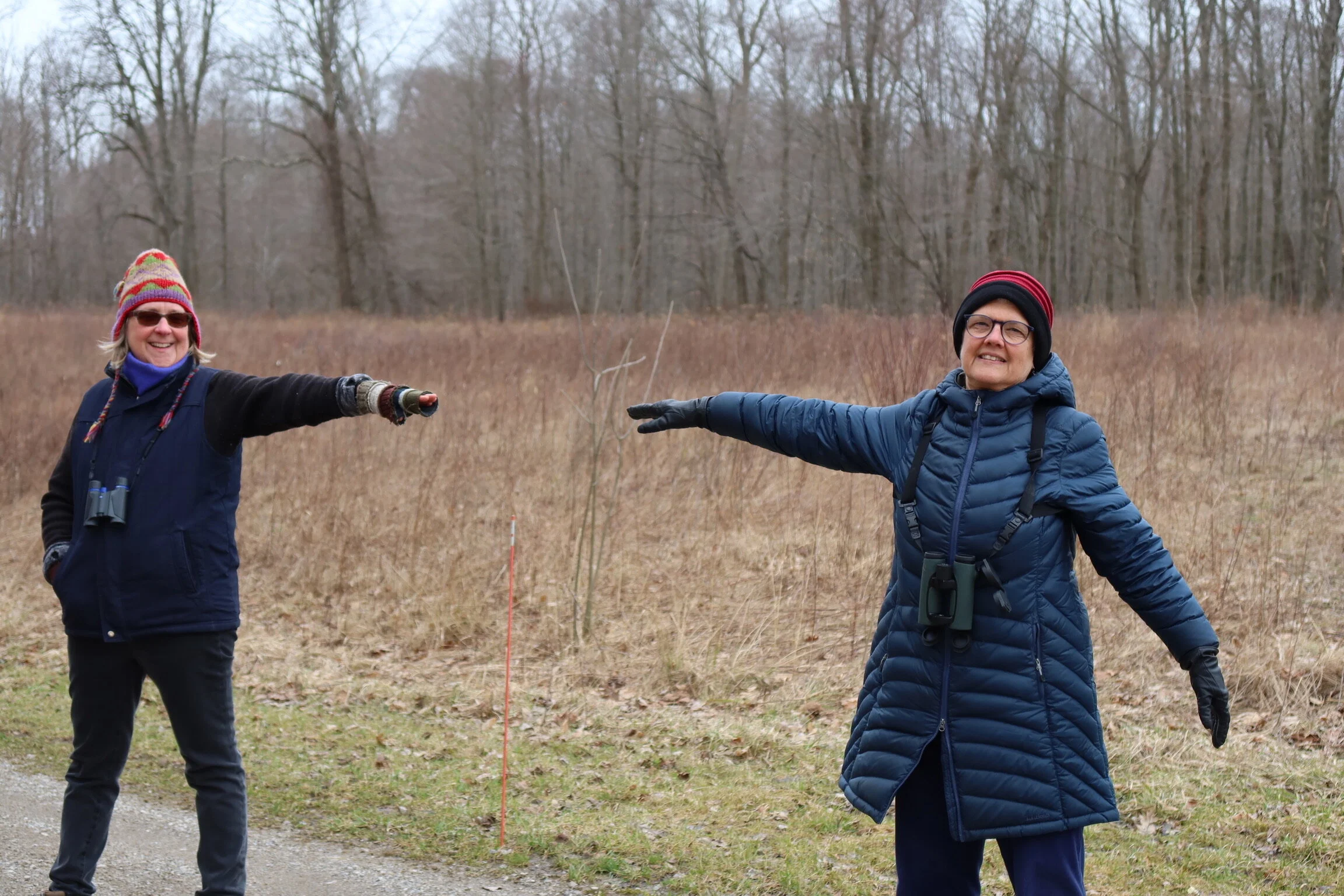
Six degrees of separation.

A rainy day look in the mirror.
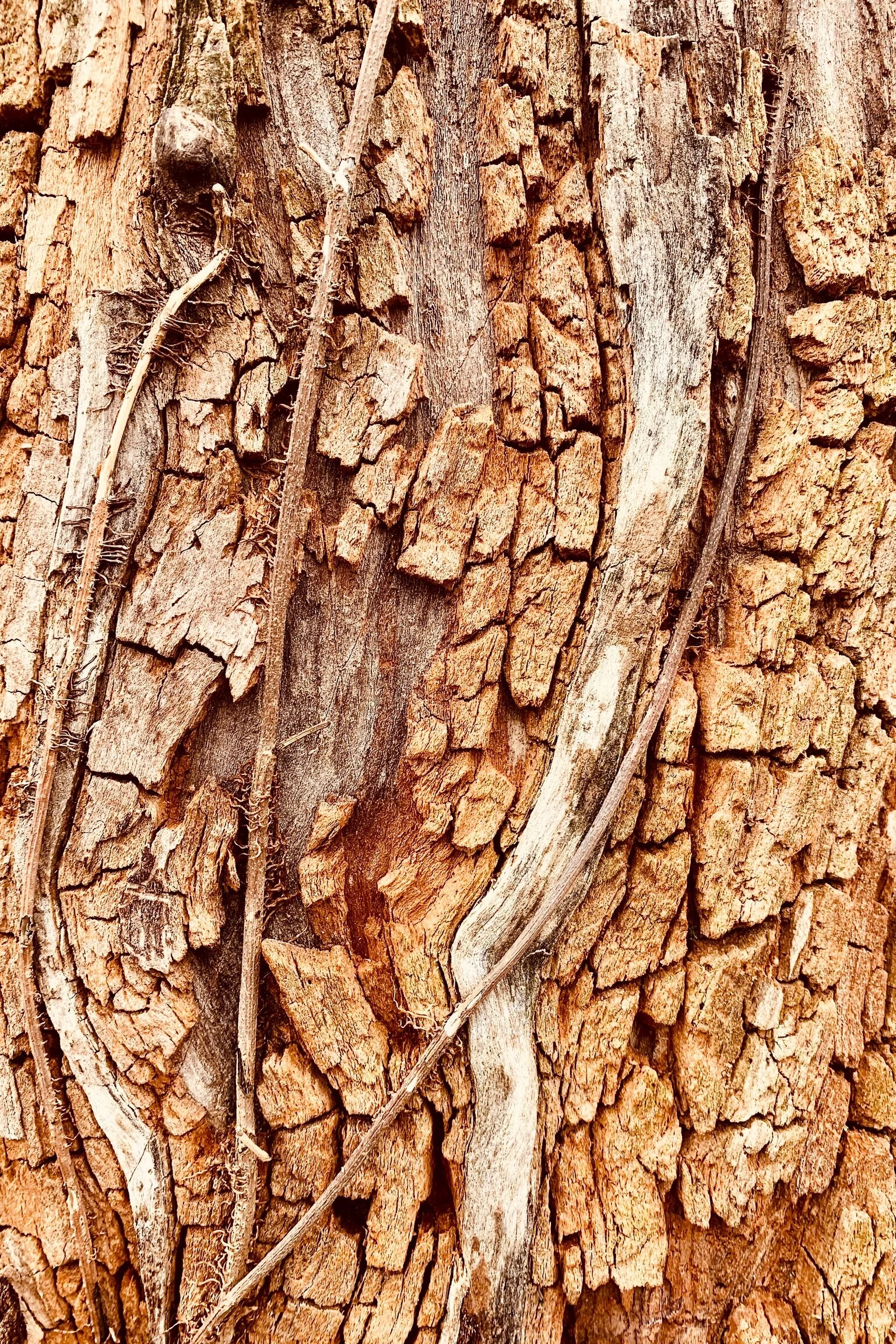
A fallen tree at Shaker Lakes.
A reminder of last September’s micro-blast,
the passage of time and nature’s endurance
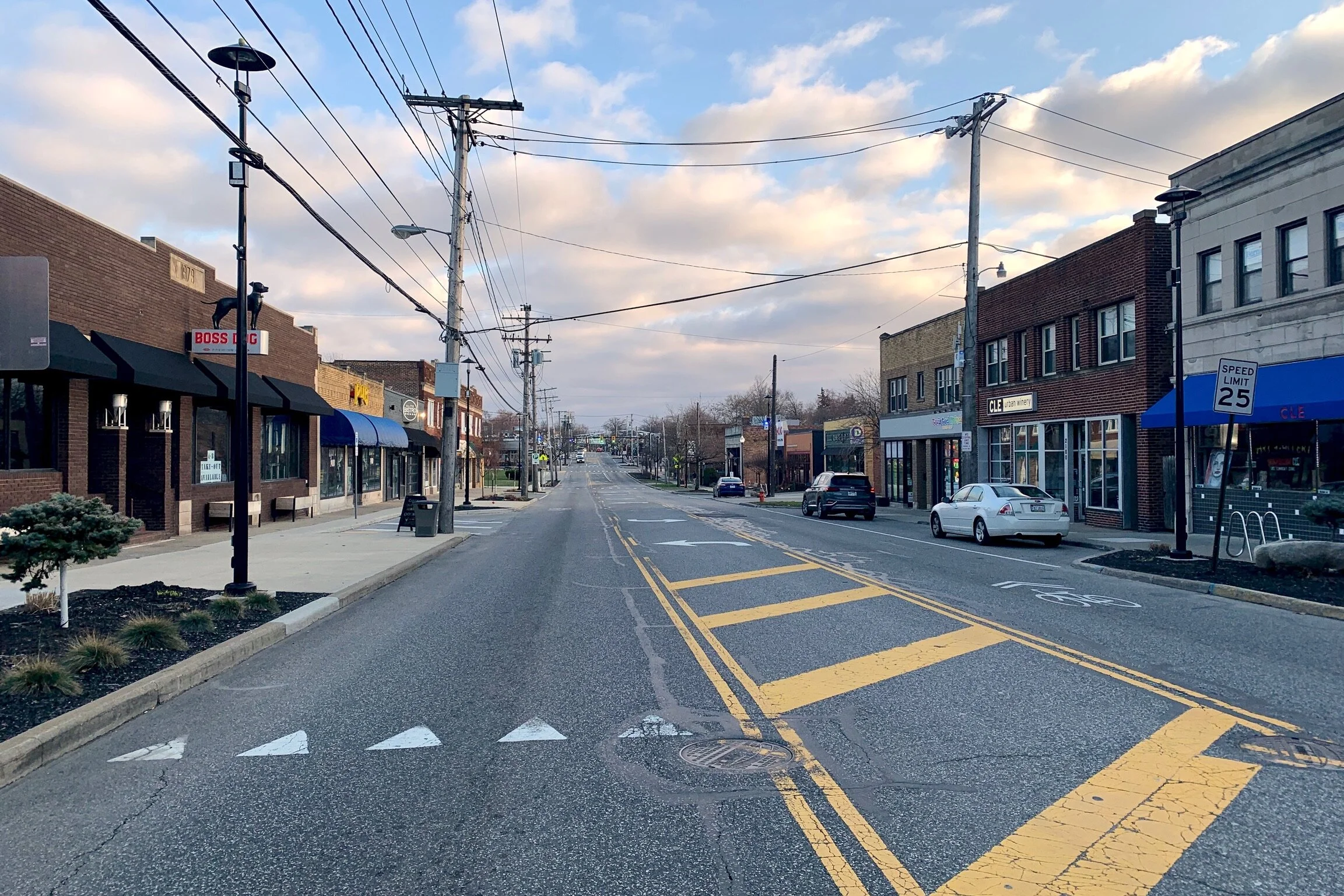
Lee Road (our neighborhood’s restaurant row) on an early Saturday evening.
It was so quiet that I could stand in the middle of the street and take this photo.
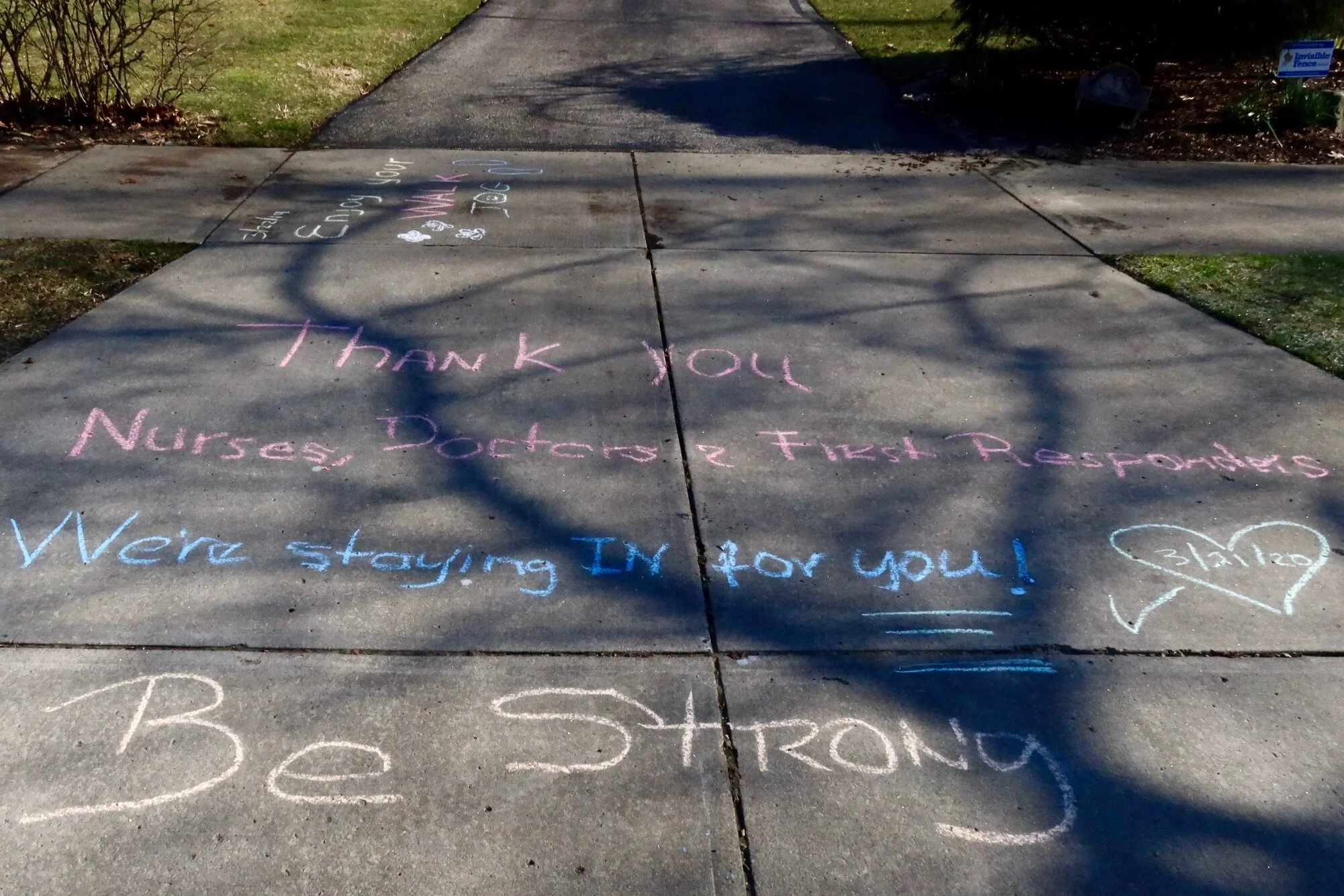
Driveway chalk art thanking those on the front lines.
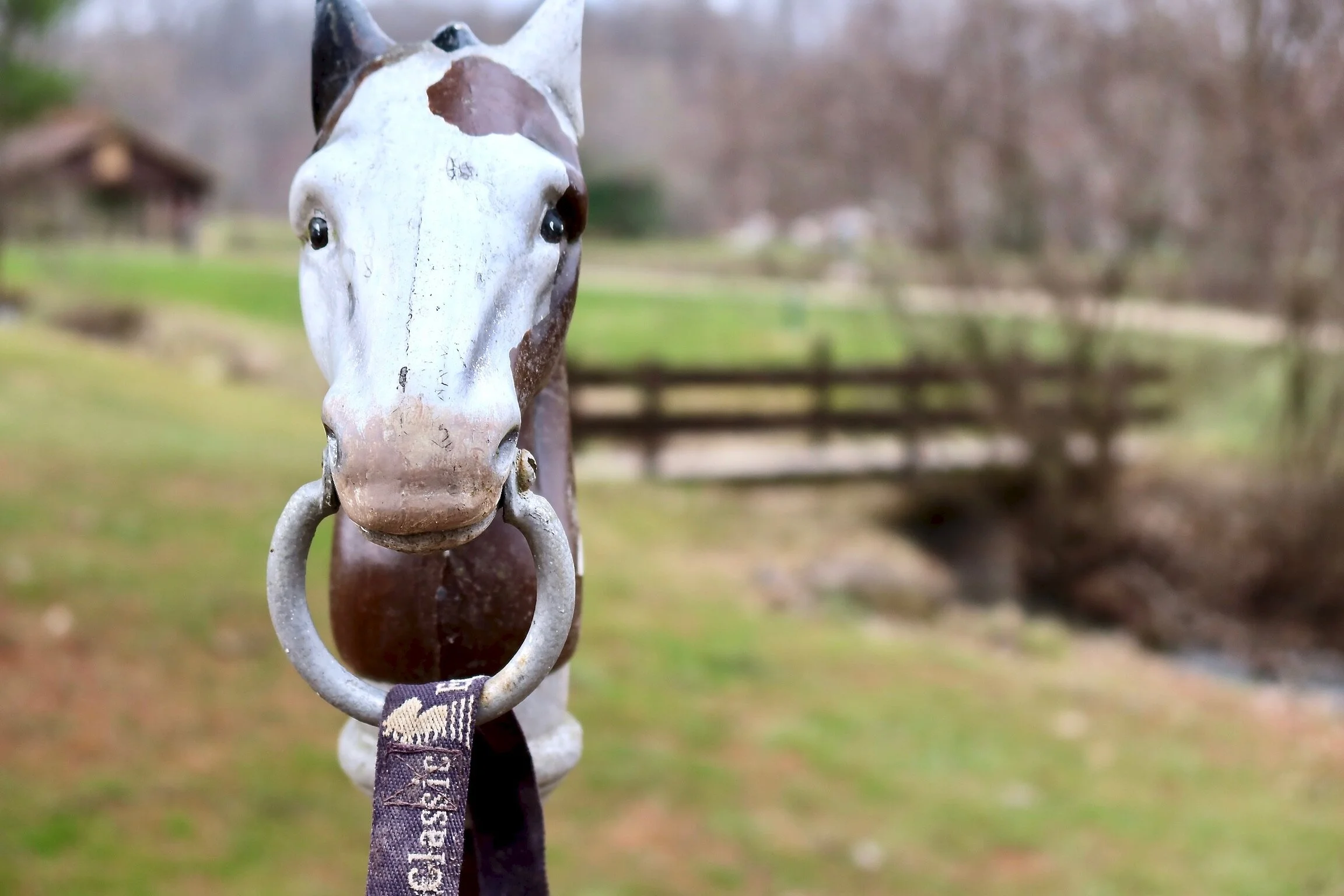
A quiet walk in the country
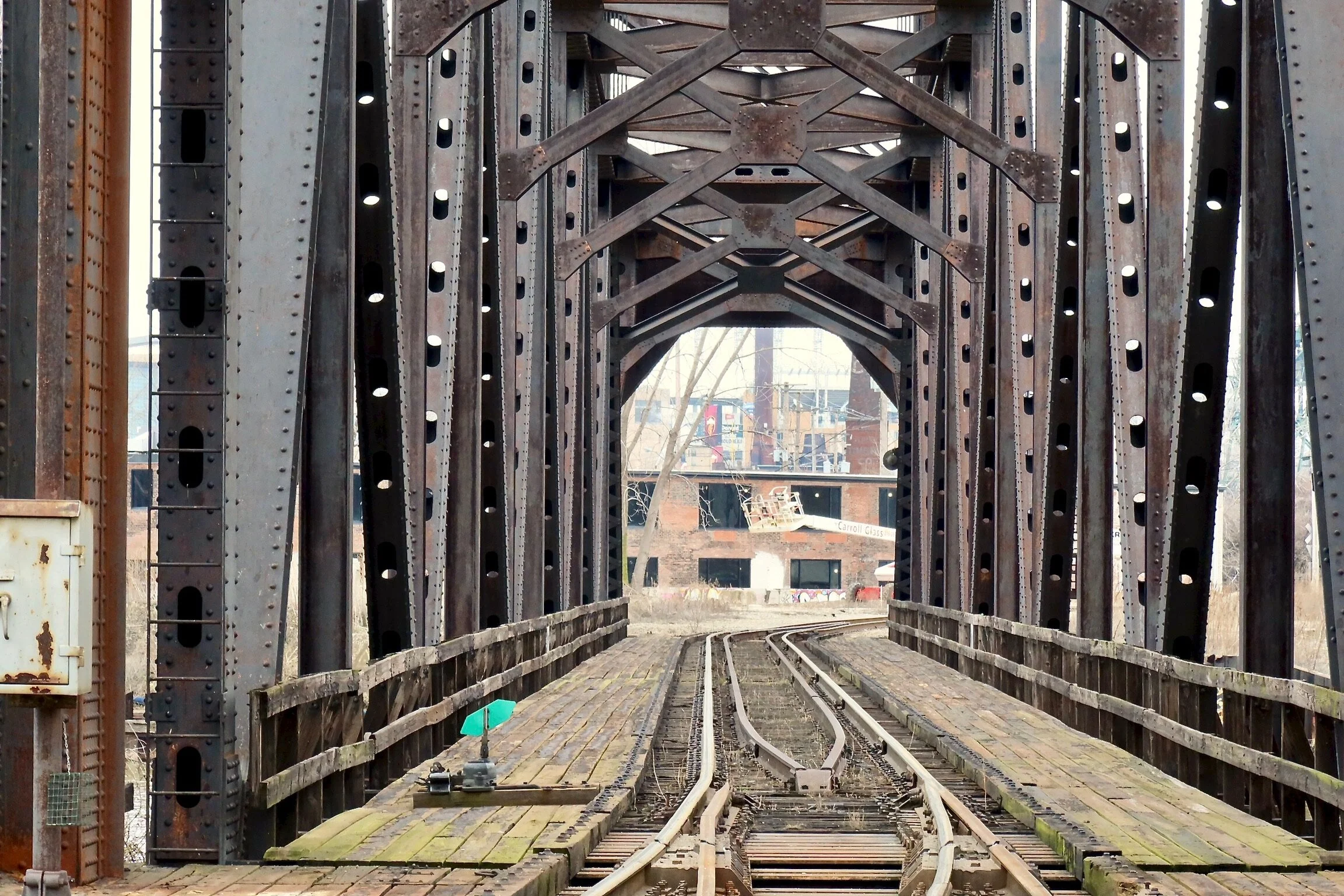
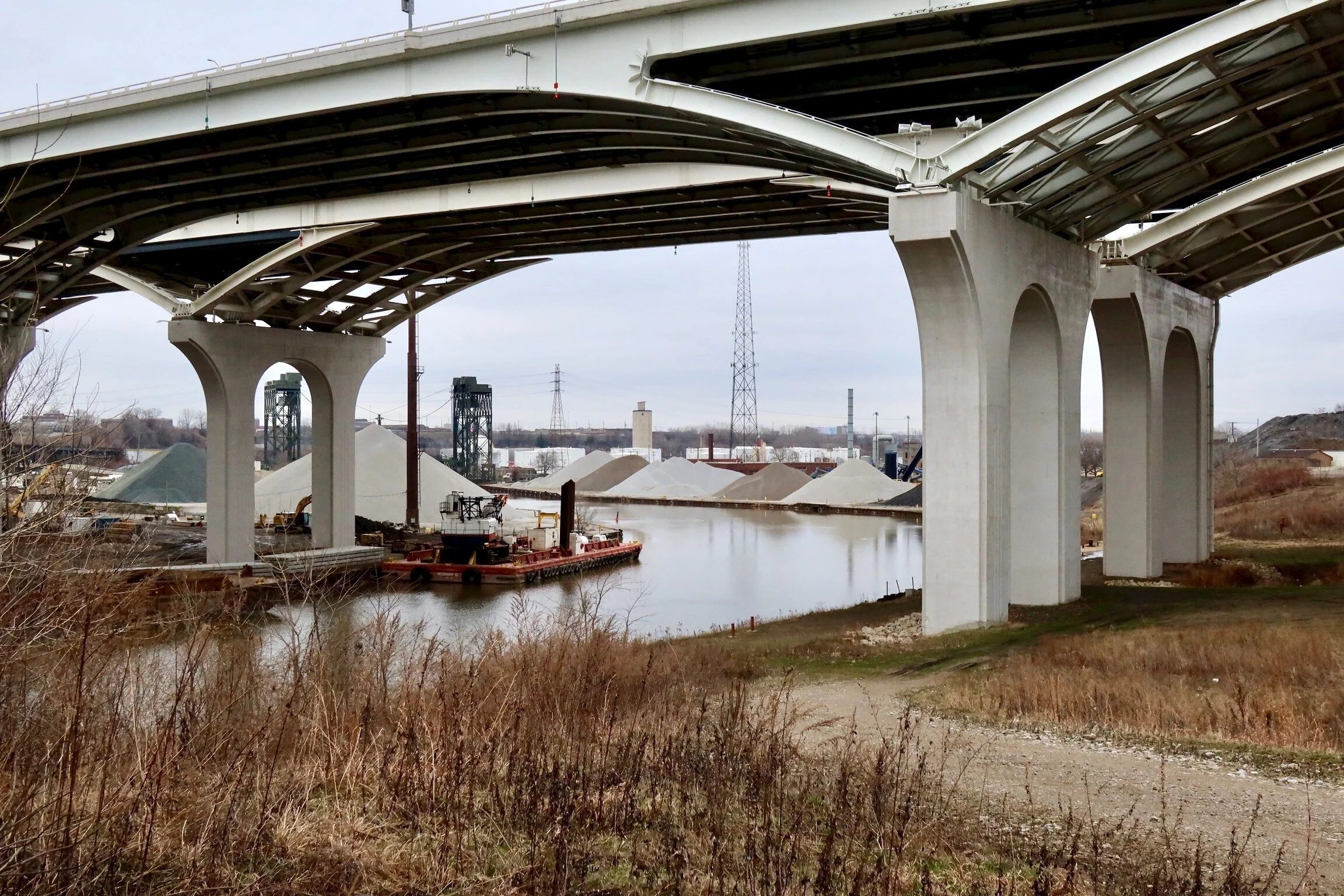

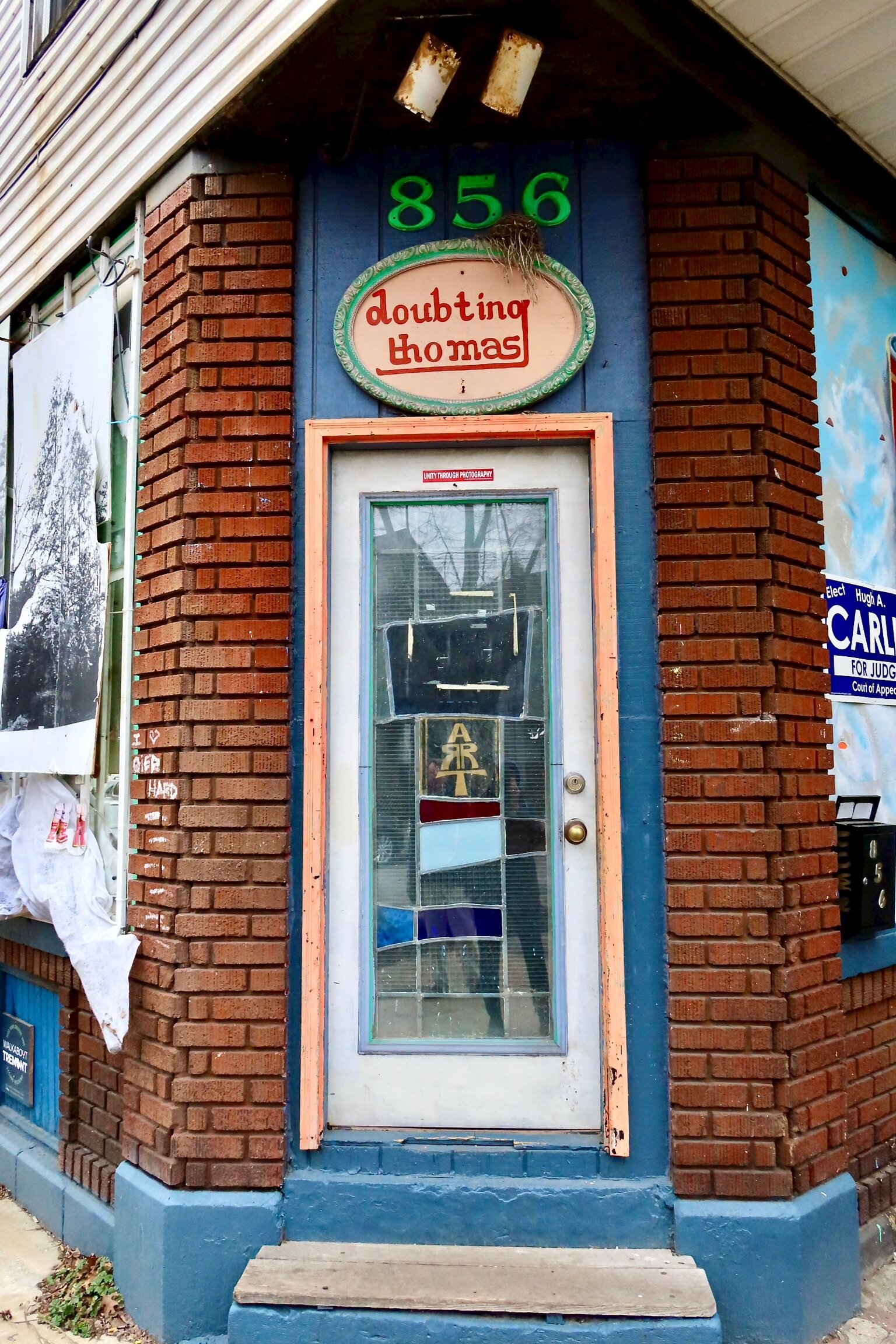
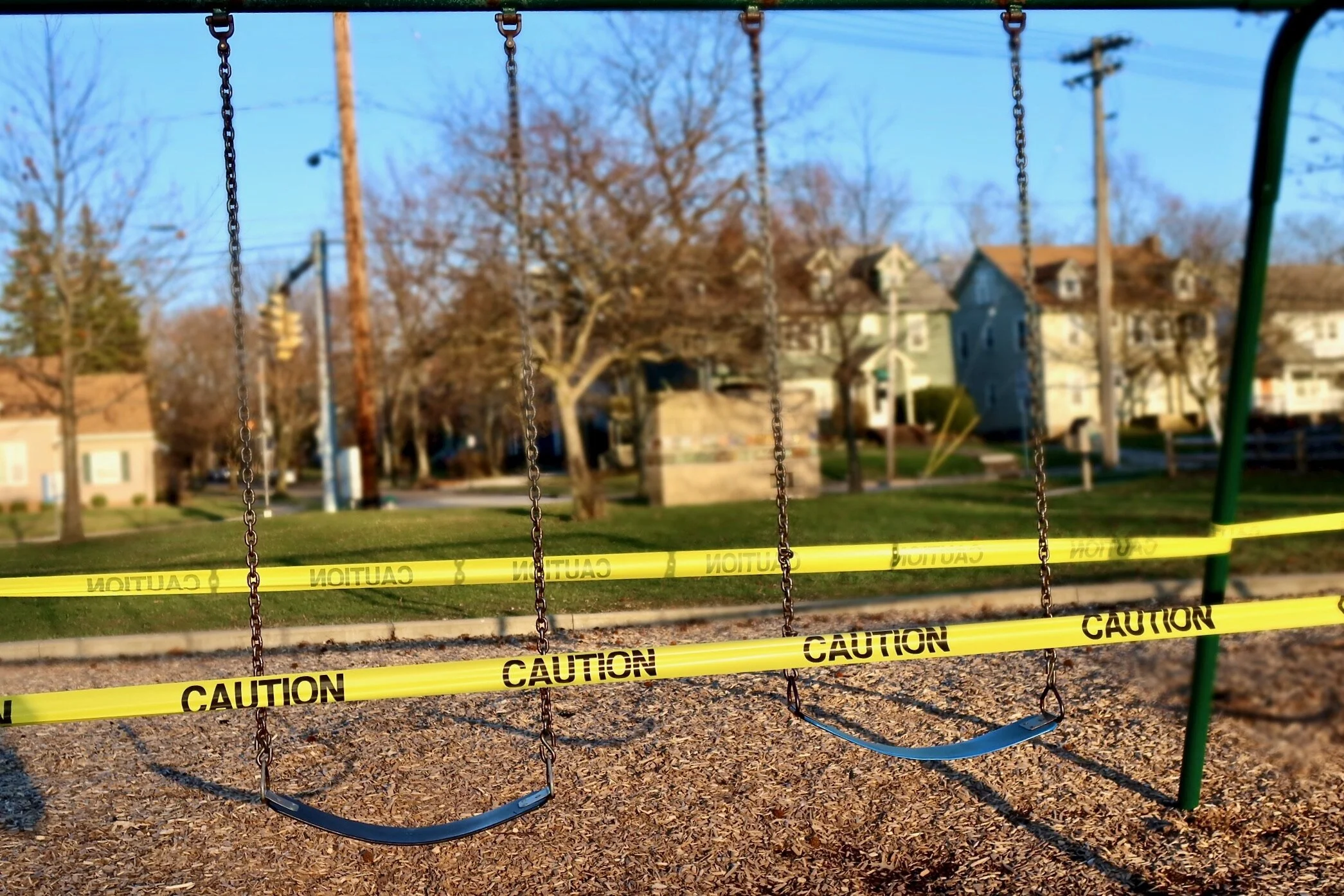
Even the playgrounds are dangerous and forbidden territory.
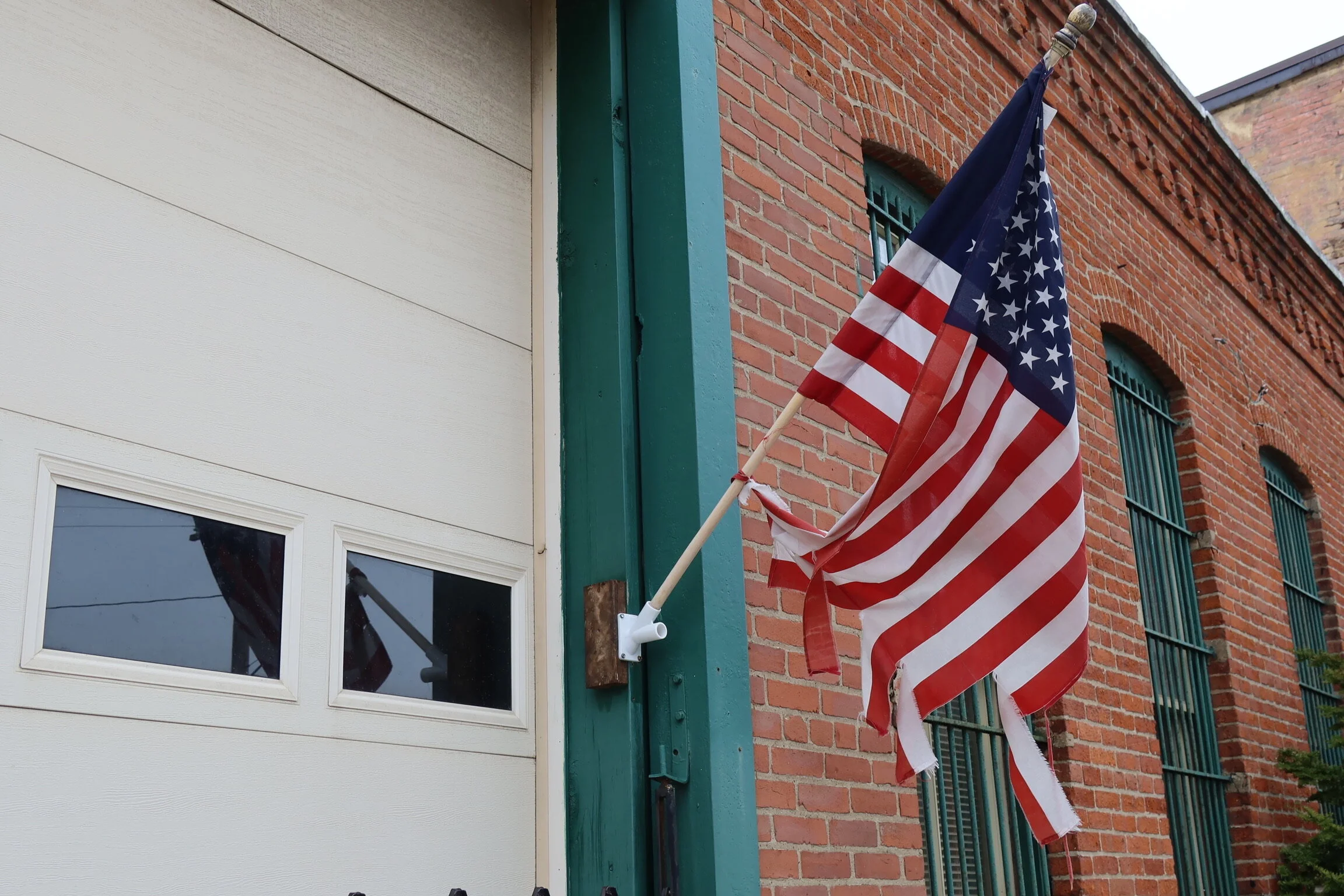
A tired and tattered flag. Yes, we’re all in this together.
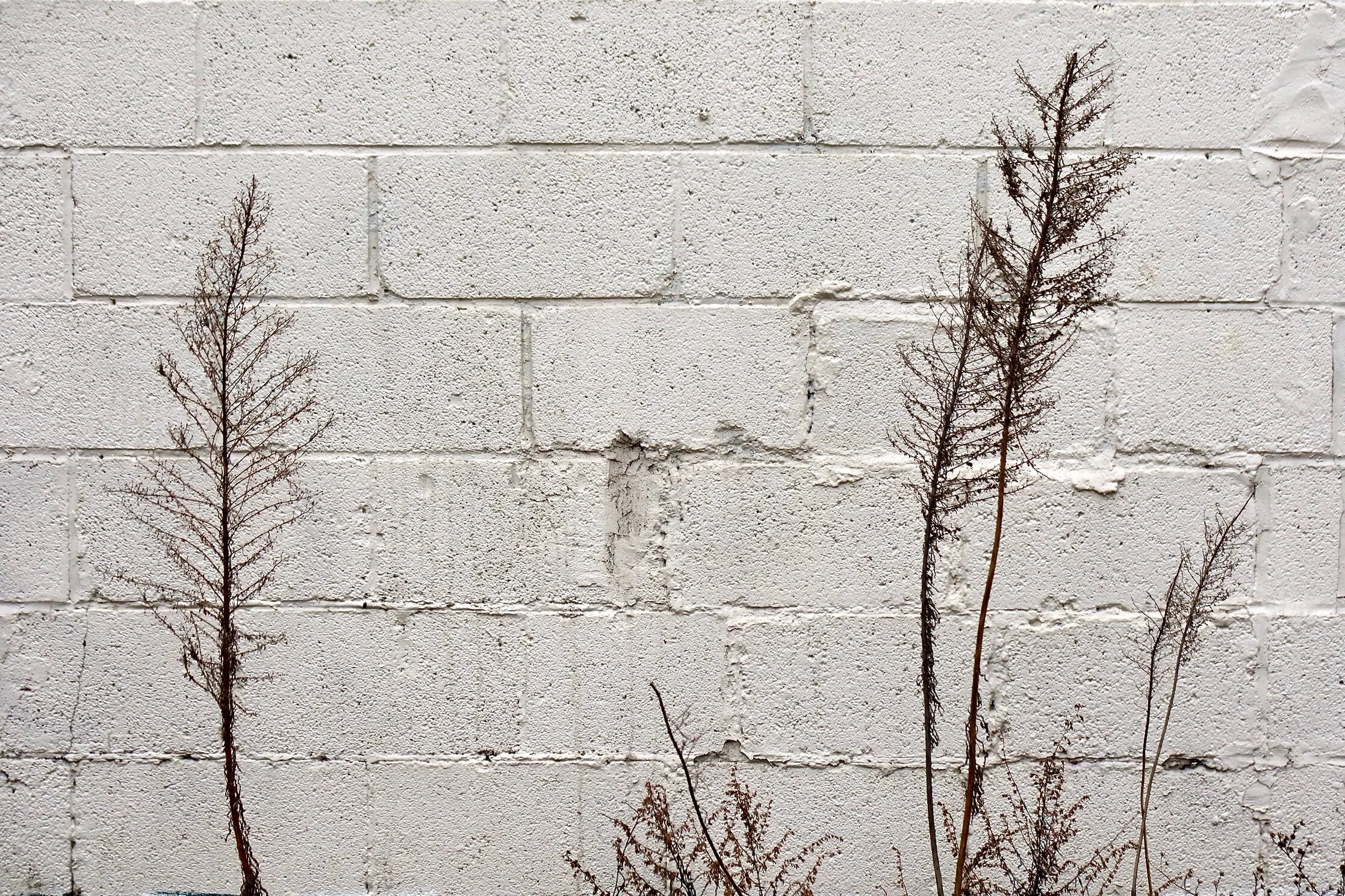
Desperately wanting new life . . .
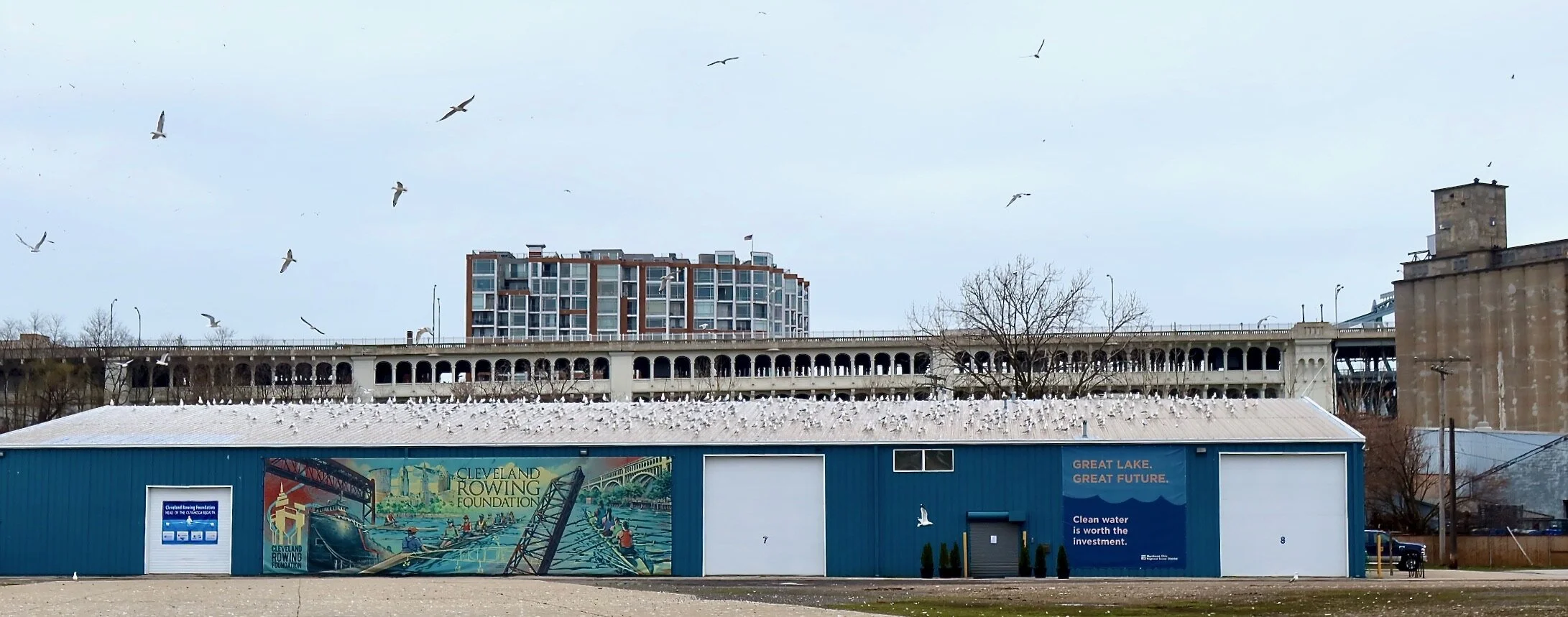
At least the birds don’t have to maintain social distance.
Pause and Breathe: A Good Friday Message
I was invited to record a Good Friday video for The American Cathedral in Paris, but its message is one I hope will resonate with people of all faiths and in all places as we face a global pandemic both together and alone.
Greetings from Cleveland, Ohio where we are in week three of our state-mandated stay-at-home order. In spite of the daffodils appearing and the trees starting to bloom, the air feels bittersweet. It’s been a long Lent, and it promises to be an even longer Good Friday. One friend told me that he feels a profound sense of grief for the reality in which we now find ourselves and the new world order that will come of it. While I am more hopeful about the future, as we try to flatten the curve and wait for the “surge” to hit Ohio in the beginning of May, when I awake with fear and trembling, in the dark of night, I feel like I’m waiting with Jesus in the Garden. I guess you might say that it’s still Maundy Thursday in my world.
I’ve struggled mightily over the past few weeks about what words to offer to you – friends and strangers – fellow sojourners – on the other side of the Atlantic, an ocean that used to feel like a pond and now seems like a very wide body of water. The world has become both large and small, at the same time, and the phrase “think globally and act locally” has taken on new significance. We intentionally shop at the farmers’ market to support our local food supply; we order carry-out to support our local restaurants; we pre-purchase massages and haircuts to support local service providers, and we’ve made financial contributions to support local emergency relief organizations. At the same time, we’re trying to stay connected to friends and family scattered around the globe; and while watching and reading the news, we find ourselves praying for the welfare of the world.
Yes, something huge is happening to all of us. When it’s over, or maybe I should say, when we experience some respite and relief, who knows how many lives will be lost, and if we will be among the dead? Who knows how many jobs will have disappeared in this pandemic, how many retirement savings will be diminished by this economic crisis, and how many individuals will see their hopes, dreams, and hard work washed away by this storm? It will be a lot. It will be a long Good Friday.
But . . . here’s what I believe. While this is a global event like most of us have never experienced before, it’s not the only global disaster in the history of humankind. And yet, this is a crisis. It’s a crisis about breath – that’s what people with COVID-19 struggle and some die from – the inability to breathe. In Hebrew, there are two words for breath: ne-shema and ruach, which is often used to describe God’s breath or spirit. While I don’t believe that God has caused this pandemic, I do think that perhaps the earth is trying to teach us something about breath. As St. Hildegard in her wisdom once said, “All of creation God gives to humankind to use. If this privilege is misused, God’s justice permits creation to punish humanity.”
Perhaps, as painful as this global crisis is for many of us, and as sacrificial as this pandemic will be for some of us, COVID 19 is imposing a necessary pause so that humanity, along with the rest of creation, can catch our collective breath as we reconnect to God’s breath. Whether intentional or not, COVID-19 is reducing fossil fuel emissions, and thus, decreasing atmospheric pollution. Will it last? That’s up to us as we emerge on the other side of this Calvary.
The Gospels of Mark, Matthew and Luke recall that at the crucifixion, “Jesus gave a loud cry and breathed his last.” Today, Christ is crying aloud as our brothers and sisters with COVID-19 take their last breaths. And what might the beloved child of God be saying to us? People of earth, humankind, you need to slow down, you need to pause, your old way of life is dying so that you may be born into a new life. The good of this Friday in April 2020 will be the new life that you, and I, and others around the globe decide to live.
And as we wait and watch on this Good Friday,
Be at peace and know that
In God, life is understood and ultimately makes sense.
Your life is accepted as it is with all of its hope,
all of its promise and all of its challenges.
You have courage to face whatever you have to face
today, tomorrow and then some.
And may the blessing of God,
Creator, Redeemer and Sustainer of life,
be with you and remain with you always.
Through My Lens: My COVID-19 Plans
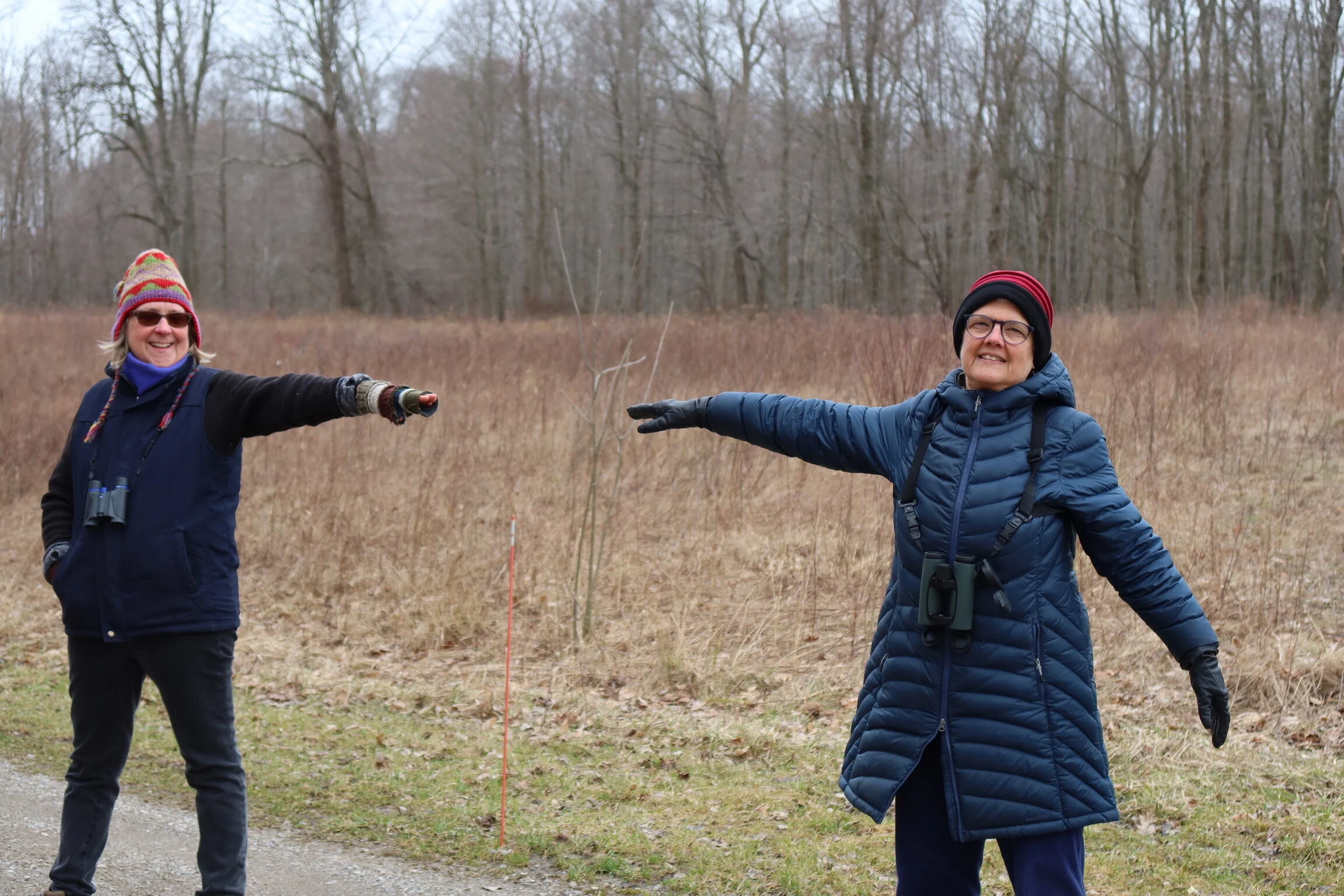
Through My Lens COVID-19 Week One:
Six degrees of separation
Good morning, friends.
Thank you to everyone who has checked in on us. I hope you and your family are doing well as we face this pandemic together. Emily and I are healthy and staying at home in Cleveland. While our spring speaking schedule has been canceled, I do have a few video and zoom talks upcoming.
Like many of you, we’re cleaning the house, organizing our stuff, taking long walks, cooking, reading, listening to music, enjoying movies, doing puzzles, playing games, face-timing with family and friends, and of course, endlessly watching the news.
I’ve also been working on a photography exhibit that is scheduled to open September 10 at Foothill Galleries in Cleveland Heights. It will be a retrospective of my work over the past twenty years, with a focus on my abstracts. It’s a featured solo exhibit for the Cleveland Photo Fest. I’ll let you know more details as the date approaches.

COVID-19 Week One:
A rainy day look in the mirror
Like lots of retired folks, I’ve been asking what I can do to help during this COVID-19 crisis. Aside from staying out of harm’s way so I don’t get sick or pass the virus on to someone else, there must be more for a senior citizen with cognitive challenges (and the proclivity for bronchitis and pneumonia) to do. Here’s what I have come up with, so far:
Pray for those who are sick and for those serving on the frontlines of healthcare
Support friends and neighbors who have been laid-off
Check on those who are working from home, teaching/entertaining their own children, caring for their elders and managing complicated households
Remember those who have no homes, incomes, jobs, healthcare, or even food and water (don’t forget your local shelter or food pantry)
Send flowers or a gift certificate to someone in need of encouragement
Do some zoom/video homilies, reflections, and talks
Make a financial donation to a local relief fund, such as The Greater Cleveland COVID-19 Rapid Response Fund
Buy lunch for the staff of a community-based nonprofit organization
Pre-pay for future haircuts and massages
Support local restaurants by purchasing gift certificates, ordering carryout, and be extra generous when tipping, through Cleveland Virtual Tip Jar
Offer special thanks to delivery men and women, and remember to ask after their family and friends
Greet everyone I meet on my neighborhood walk, and inquire about their well being
Make phone calls, send cards, and email those who might be frightened or isolated
Write long letters to old friends
Give thanks for musicians around the world who are sharing their music on the internet
Figure out a way to play music with others through the internet
Plan how we will share our federal relief check
Honor this mandated stay-at-home as Sabbath, a time for healing
Think about what good will come of this crisis
Make plans to do good when it’s safe to come out of the house
Make photographs to record this moment in time and share them with others
So that’s my list as of today. To those of you who are also staying at home, what’s on your list?
Finally, the words I used to stay my congregations at the end of every worship service, adapted from a benediction I learned from The Rev Douglas Fromm, come to mind a lot recently, and I hope you will carry them with you into whatever lies ahead:
Be at peace and know that
in God, life is understood and ultimately makes sense.Your life is accepted as it is with all of its hope,
all of its promise and all of its challenge.You have courage to face whatever you have to face
today, tomorrow and then some.And may the blessing of God, Creator, Redeemer and Sustainer of life,
be with you and remain with you always.
COVID-19 collection of photo reflections and any upcoming “virtual events” will be shared via my e-mail newsletter, as well as Facebook and Instagram (@TraceyLind).
A printable version of this benediction, adapted from The Rev Douglas Fromm, is available here.
The Courage to Hope
“Of St. Paul’s trio of Christian virtues — faith, hope and love — the greatest of these is love, but the most neglected virtue is hope.” - Former Archbishop of Canterbury Donald Coggan.
Hope has become a precious and diminishing commodity. Many of us are not hopeful about the direction of U.S. foreign and domestic policy. Many are not hopeful about the future of our environment. Many are not hopeful about their own finances, housing, health, or even food security.
Why? We’re certainly not the first generation to face serious challenges. Our ancestors lived in troubling times. What’s different? Why are suicide rates climbing and birth rates declining? Why are dystopian novels, films, and television shows so popular? Why are so many among us cynical and disengaged? What threatens and even destroys people’s sense of hope?
I think it’s fear. Fear is the greatest threat to hope. Some of us fear that our political and economic system is out of control. We fear that we, or our children and grandchildren, along with other species, are compromised and will eventually be annihilated by the technology and climate we’ve created.
Some people fear that there will be no place for them in our land. Others fear that strangers will take over our land. The millennial generation fears their downwardly mobile trajectory. Lots of us fear growing old without adequate resources and support systems. The most desperate and hopeless among us fear that life itself has become meaningless.
Hopelessness, the outgrowth of fear, is the energy drain of humanity.
Why bother? Life stinks, and then you die.
I believe that hopelessness is a conspiracy of evil that keeps us in bondage. Without hope, people give up and die. Dostoevsky puts it this way: “To live without hope is to cease to live.” I am convinced that the evil powers and principalities of this world conspire to make and keep us hopeless and therefore imprisoned in our perceived powerlessness.
Yet hope is at the very essence of faith. In Hebrew, “hope” means “to wait for” or “look to.” Thus, the author of Hebrews writes: “Now faith is the assurance of things hoped for, the conviction of things not seen.” (Hebrews 11.1)
When I received my diagnosis of Frontotemporal Dementia, I was anything but hopeful. But eventually, I got my act together and decided that I am going to live as fully as I can for as long as I am able.
For the past two years, as Emily and I travel speaking and preaching about life with dementia, it often seemed as if we had opened Pandora’s Box, talking about a condition that many fear and dread. One day, Emily asked me if I actually remembered the ancient Greek myth of Pandora’s Box and suggested that I re-read it. Let me remind you of the story.
Once upon a time, there were two brother gods whose names I can no longer pronounce. One day, one of the brothers discovered the secret of fire, and this angered Zeus. As punishment, Zeus chained him to a rock for many years. And if that wasn’t enough, the great god went after his brother by way of trickery. First, Zeus ordered the god maker of all things to craft him a daughter out of clay. Zeus named her Pandora, brought her to life, and gave her as a bride to the brother. Zeus then gave the newlywed couple a gift – a locked box with a note that said, “Do not open.” Attached to the note was a key.
Of course, you know what happened next. Pandora’s curiosity got the better of her, and she took the key and opened the box. When she raised the lid, lots of bad things – envy, sickness, hatred, disease, war, pestilence, and famine – flew out into the world. By the time Pandora closed the lid, it was too late. The world was no longer perfect.
That’s how most of us recall the myth. But there’s more.
Pandora’s husband heard his wife crying and came running. She opened the lid to show him that the box was empty. When she did, one little bug flew out, smiled, and flew away. That little bug was named HOPE. And that little bug made all the difference as it offered the encouragement required by the community to believe that they could make the world a better place to live, in spite of the bad stuff. And by the way, Zeus’ heart was softened, and he freed the other brother.
What’s the moral of the story? Put simply, hope is what gives us the courage to act and to live in a world of threat. Hope is what allows us to overcome our fear.
Right now, there is no cure for FTD. However, I am hopeful that someday there will be. I’m also hopeful that those of us living with dementia can improve the quality of our lives by being honest, transparent, and willing to make some changes in the way we live. I’m hopeful that by acknowledging but not giving into its challenges, we can make dementia a stop along the way of our human journey, and not the end of the script.
Friends, we are living in uncertain and trying times. The powers and principalities of this world are again at odds with the grace and wisdom of God. Yes, many are losing hope. It is our sacred task and honor to present our hope to the world. For without hope, all is lost.
As St. Paul writes, “May the God of hope fill you with all joy and peace in believing, so that you may abound in hope.”
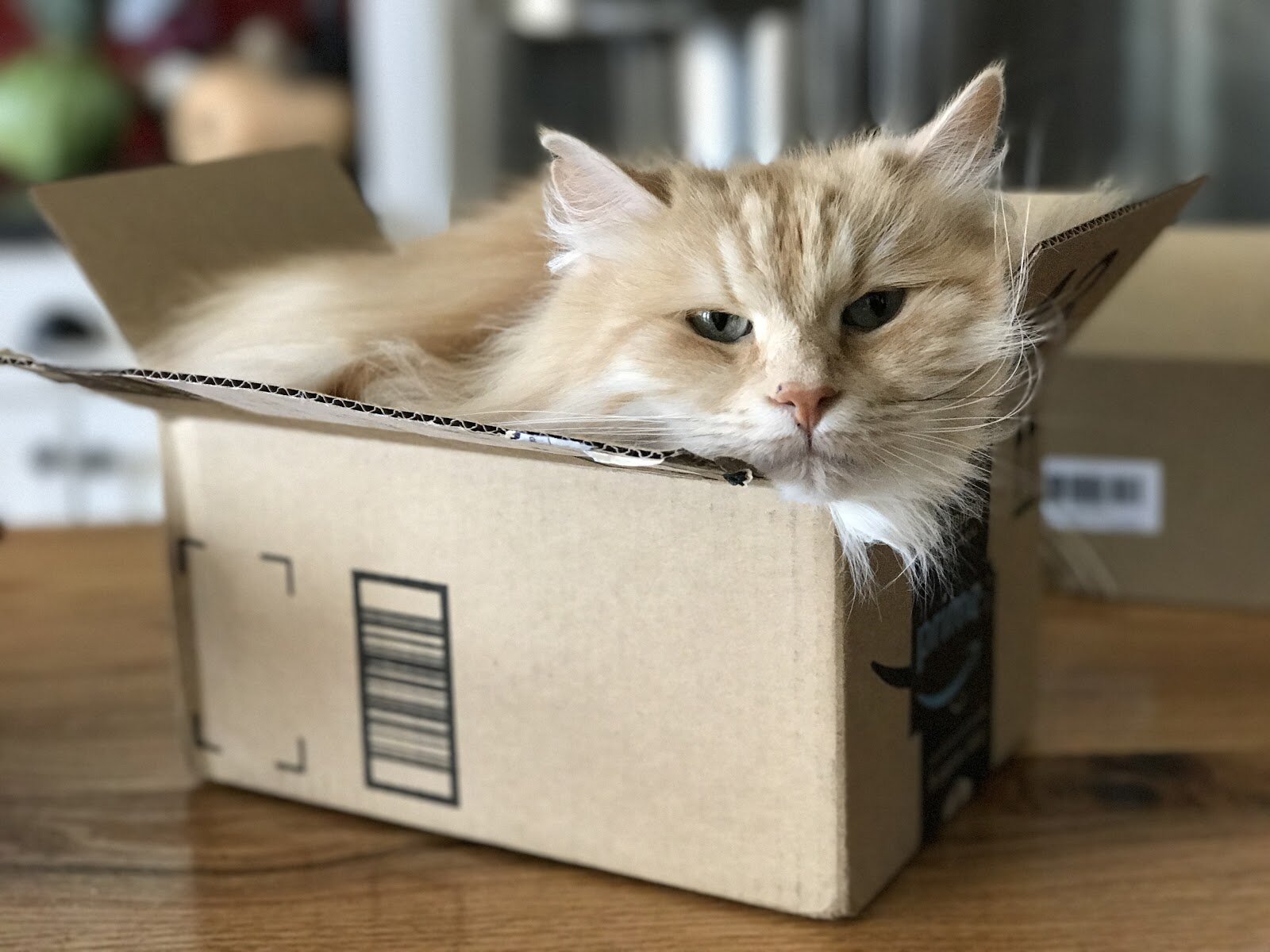
And, as our cat Samson delightfully reminds us, boxes are meant to be opened and fully enjoyed.
Joining the Ship of Fools

Ship of Fools | Tracey Lind, 2004
Will you come and follow me if I but call your name?
Will you go where you don't know and never be the same?
Will you let my love be shown? Will you let my name be known?
Will you let my life be grown in you and you in me?
“The Summons” by John Bell of the Iona Community, expresses the challenge and promise found in Matthew 4:12-23. Following his baptism and sojourn in the wilderness, and after the arrest of his cousin John, Jesus withdrew into the region of Galilee to make his home in Capernaum, a sleepy little fishing town by the sea. This base of operations was near Sepphoris, a bustling, sophisticated, commercial city, a seat of Roman imperial power, and thus, a place of economic and political tension.
Jesus’ soon-to-be-proclaimed prophetic message of God’s realm would run counter to the predominant culture of the region and the imperial power that ruled it. According to the Gospel of Matthew, with Jesus’ arrival in Galilee, “those who sat in the region and shadow of death, light dawned” (4.16). Whether they knew it or not, Jesus was about to bring profound upheaval to their world – for both the poor and the rich, the dispossessed and the powerful, the oppressed and the oppressor.
Jesus’ message was nothing short of revolutionary. Matthew’s narrative presents a vivid portrait of Jesus’ vision as a rain shower that would wash away unclean spirits, drown out oppression, open the floodgates of freedom, heal the wounds of oppression, feed the hungry, quench the thirsty, restore sight to the blind, and raise the dead to new life.
The approach of this downpour of God’s grace called for repentance — a complete reorientation of life. Umbrellas would not suffice. Life jackets were in order, and they could be found only on the ship of fools that Jesus was about to commandeer. For those who chose to crew this fishing boat, the ones who would follow as disciples, his vision and ministry would demand an abandonment of everything they held near and dear.
Jesus’ first four disciples--Peter, Andrew, James and John--were commercial fishermen minding their own business when Jesus came along and interrupted their lives.
Think about it. Jesus called four family guys, men with spouses, children, parents, and in-laws who relied on them for their daily bread. Out of the blue, a stranger walked by and summoned them to abandon everything and follow him into the unknown, and they did. They said, “yes.”
They accepted an absurd invitation to walk away from their livelihoods, desert their families, and follow him. They readily joined a new fishing expedition into what, over the course of time, would become a life-consuming adventure on the high seas.
Have you ever wondered what might have caused these ordinary guys living ordinary lives to accept this extraordinary call?
Was it Jesus’ charismatic style? His charm, authority and directness? Were they caught off-guard, saying “yes” without thinking? We all know those moments when we get ourselves into doing something before we even know it’s happening. Or were they bored and looking for a way to escape the dullness of their lives? Perhaps it was the sense of adventure that appealed to them.
Maybe they had to prove something to themselves, and here was the perfect opportunity – a biblical version of Outward Bound or Moby Dick.
Did these first disciples believe they were going on a vacation or adventure for just a few hours, days, or even a couple of weeks? Did they think that then they would return to their homes – back to their ordinary lives?
Did they think they were going to become heroes-- that they would save the world, lead a peasant rebellion, or conquer the Roman army? Maybe they were caught up in the apocalyptic energy of the times and believed that following the stranger would be the way to ensure their salvation and place in heaven.
Or was it something else, something inexplicable that occurred that day on the shores of Galilee? Perhaps, when Jesus looked into their eyes and extended his extraordinary invitation, something incredibly holy pierced their souls and enlivened their spirits in a way that they could not comprehend or resist.
The gospel writer doesn’t tell us what the disciples thought when they first met Jesus. He leaves it up to our imagination.
That makes sense to me.
I believe that God invites each of us to follow in ways that we can understand and hopefully accept. It might take awhile for us to catch on, but God is persistent and is usually able to find that little place in every one of us that won’t allow us to resist.
As I’ve shared so many times, God found me once--on a cold winter day in January--in a McDonald’s on 42nd Street in New York City. I was minding my own business when a voice that was not my own, yet came from inside of me, spoke in words that I could not ignore or negate. The voice called me by name, identified itself as God, confronted me with my own issues and private wounds, contradicted my theology, answered my questions, and called me to ordained ministry.
When I asked why the voice was talking with me, it responded, “Because you’ve been asking for it.” It was true. I had been begging, even challenging, God to be clear with me, to help me sort out my identity and vocation. And here I was – sitting in a McDonald’s in the middle of Manhattan, having a private conversation with an invisible voice.
“If you’re inside of me,” I asked, “then how can you be God?” I’ll never forget the response: “What’s so special about me is that I’m inside of anyone, and everyone, who wants to know me. And, if the world would hear and follow me, my kingdom would come.”
A few days later, one of my professors said that faith is a two-way street: it is both a gift from God and our decision to accept the gift.
I didn’t know if I had talked with God, but in a letter to a friend, I wrote, “If I don’t accept the voice of God on faith now, I don’t think I’ll ever get a more direct message.” I accepted the voice and followed it, becoming part of the great ship of fools. I ran with the dream of God for my life through some three decades of ministry.
When I was diagnosed with FTD, my life was once again turned upside down. After months of coming to terms with it, in what seemed like an eternity to me but a millisecond to God, I heard the voice of God calling me to find the meaning, grace, gifts, and wisdom from a life impacted by dementia and to speak about it from the inside out.
Like Peter, Andrew, James, and John, I was summoned to join a new ship of fools and sail into an uncertain future. And, like the first disciples, I accepted the call and began what has become a challenging but fulfilling itinerant ministry.
I remain convinced that God’s call comes to all of us in such different ways. It is often unexpected and frightening because it demands that we abandon or let go of so much. At the same time, it is hopeful as it often calls us out of darkness into light and out of the shadow of death into new life.
Lately, I’ve been pondering the darkness (and I’m not talking about dementia or the lack of sunlight during winter in the Midwest). I’ve been wondering about our nation’s darkness and our collective shadow of death. I can’t help but ask what God is calling us to abandon. I don’t know for certain, but I believe that God wants and needs us to abandon our old narrative and fashion a new one grounded in justice, love, and mercy for all.
Is this message new? No, the prophets have been saying it for centuries, and Jesus proclaimed it in word and action. Is this work easy? No, but it is life-giving to those who do it. Is this summons to abandon our old ways frightening? Sometimes, but it is also exciting. Is this reorientation of life necessary? You bet.
So, I ask you. Will you abandon whatever is holding you captive in the dark, strap on your life jacket, plunge into the waters of the unknown, and sail on a ship of fools bound for glory? Will you invite others to come along? It promises to be the cruise you’ll never forget.
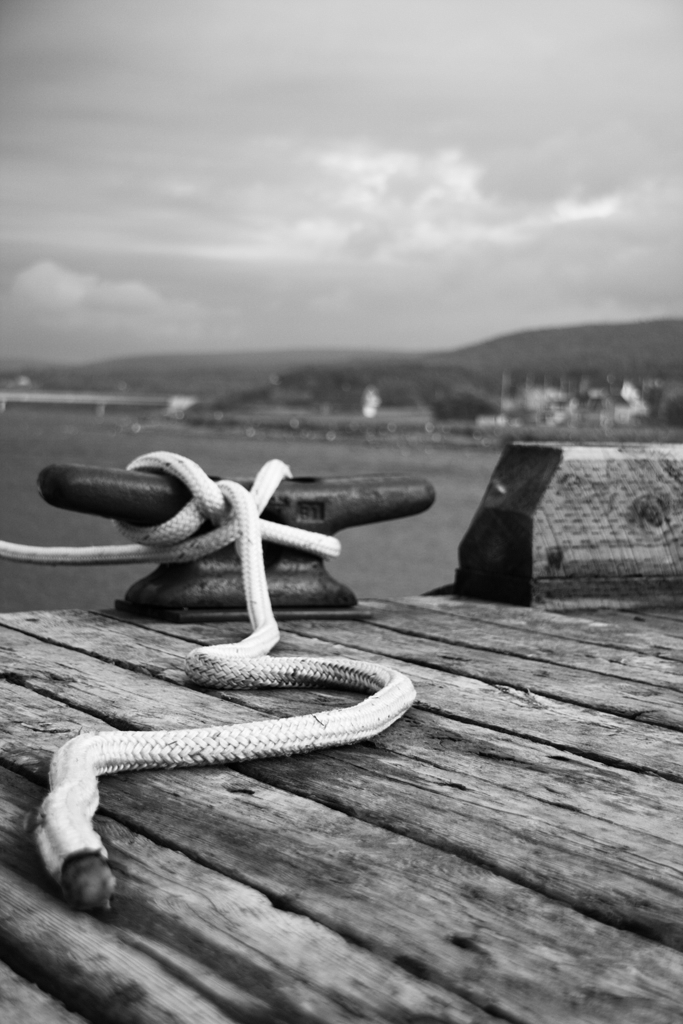
Left Behind | Tracey Lind, 2007