Is it Time to Change Course? Thoughts on Faith, Justice and Community
Many years ago, a clergy colleague said to me, “I’d rather be in communion with Christians from different denominations who share similar values and theological understandings than with some in my own denomination.” I responded that I would rather be in a relationship with people of different faith traditions who share similar values and perspectives than with some Christians.
As the pandemic is having a profound impact on organized religious life and as the current civil rights movement is bringing all sorts of people (religious and non-religious) together, I have been thinking about that conversation. When people ask me what I value the most about my experience and education at the Union Theological Seminary in New York City, I respond that it was the diversity of student backgrounds, life experiences and theological perspectives accompanied by the shared values of justice, love and inclusion and an understanding of the wideness and breadth of God’s mercy. I came away from seminary believing that God is known by many names and revealed in many ways, and that different denominations, even different faith traditions, have more in common than not.
As I watch the church struggle to survive, I wonder if we really need so many denominations or even so many religions. I wonder if people would be more spiritually fulfilled gathering with those who share common values and world views rather than denominational or religious affiliation.
Throughout my career, like most of my clergy colleagues, I worked hard to grow the Episcopal Church, promote Episcopal identity, and raise up new generations of Episcopalians. That was a big part, often the most measurable aspect, of my job as a parish rector and cathedral dean. Once, I accidentally carried the red attendance book out in procession instead of the red Gospel book. At my ordination, I vowed “to conform to the doctrine, discipline and worship of the Episcopal Church,” and whenever I strayed from that message I was reminded of my obligation — and sometimes even reprimanded.

If these were ordinary times, this week at my summer congregation The Chapel of St. James the Fisherman in Wellfleet, MA, we would celebrate our patronal feast. From the prophet Jeremiah: “Thus says the Lord: I am going to break down what I have built and pluck up what I have planted.” (Jeremiah 45.4)
What if God is breaking down the church, plucking up all of our various denominations because we have lost sight of the essence of our faith? What if God is challenging us to reform Christianity into a different expression of the way of Jesus?
As Phyllis Tickle observed in her book The Great Emergence: How Christianity is Changing and Why: "About every five hundred years the empowered structures of institutional Christianity, whatever they may be at the time, become an intolerable carapace that must be shattered in order that renewal and new growth may occur." Ultimately, this good Episcopalian argued that as a result of what she calls a “cleaning of the attic,” a new and more vital form of Christianity is created, and the faith spreads.
My former bishop, John Shelby Spong, speaks of it as “a new Christianity for a new world.” If nothing else is happening as a result of this pandemic and social upheaval, we are likely witnessing the birth of a new world order.
I wonder if God is saying to churches, synagogues, temples and mosques — “I need you to become something new. I need you to be houses of prayer for all people, not just your denomination. I need you to prioritize collective action over doctrine and organize together for social, racial, environmental and economic justice. I need you to provide worship and opportunities for community, education and service that bring my good news of justice, love and mercy to all who seek it — even if that means letting go of the way you’ve always done things.” I think God is inviting the community of faith on a radical and transformative journey. How will we respond?
What Seeds Are We Sowing?
Last week, we heard the parable of the seeds. This week, we are invited to consider the parable of the sower. For those of you who don’t have a bible handy, here’s what Jesus had to say:
The kingdom of heaven may be compared to someone who sowed good seed in his field; but while everybody was asleep, an enemy came and sowed weeds among the wheat, and then went away. So when the plants came up and bore grain, then the weeds appeared as well. And the slaves of the householder came and said to him, ‘Master, did you not sow good seed in your field? Where, then, did these weeds come from?’ He answered, ‘An enemy has done this.’ The slaves said to him, ‘Then do you want us to go and gather them?’ But he replied, ‘No; for in gathering the weeds you would uproot the wheat along with them. Let both of them grow together until the harvest; and at harvest time I will tell the reapers, Collect the weeds first and bind them in bundles to be burned, but gather the wheat into my barn.’
These words from the 13th chapter of Matthew (13:24-30) sound like they might be written for the current world stage of politics, most especially our own country.
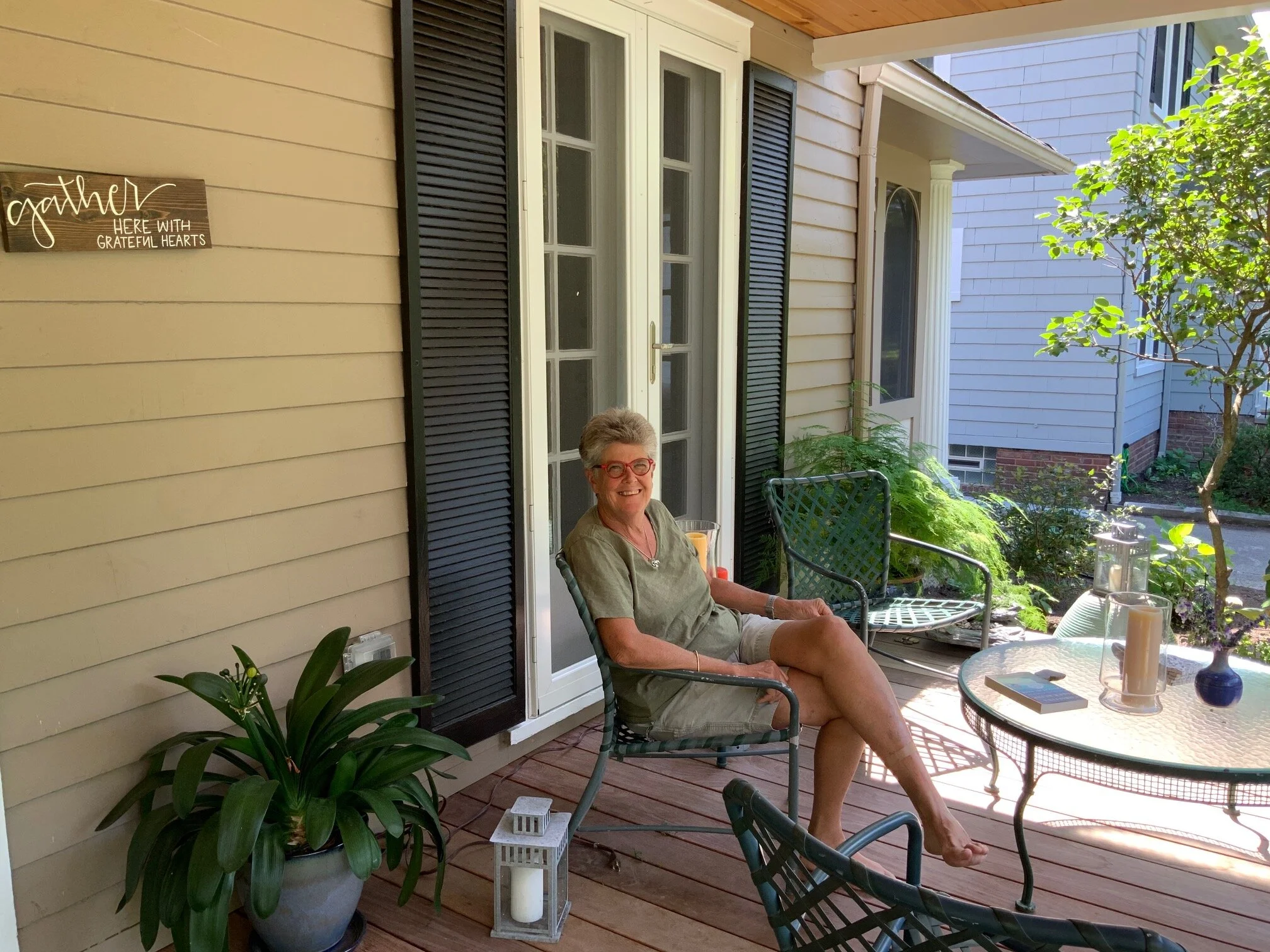
As a parish priest and cathedral dean, I always tried very hard to be non-partisan in the pulpit. However, as a pensioner and retired preacher waiting out the pandemic and watching the concurrent economic crisis, political upheaval and civil rights movement from my front porch, I can’t help but read this week’s gospel portion with a political lens.
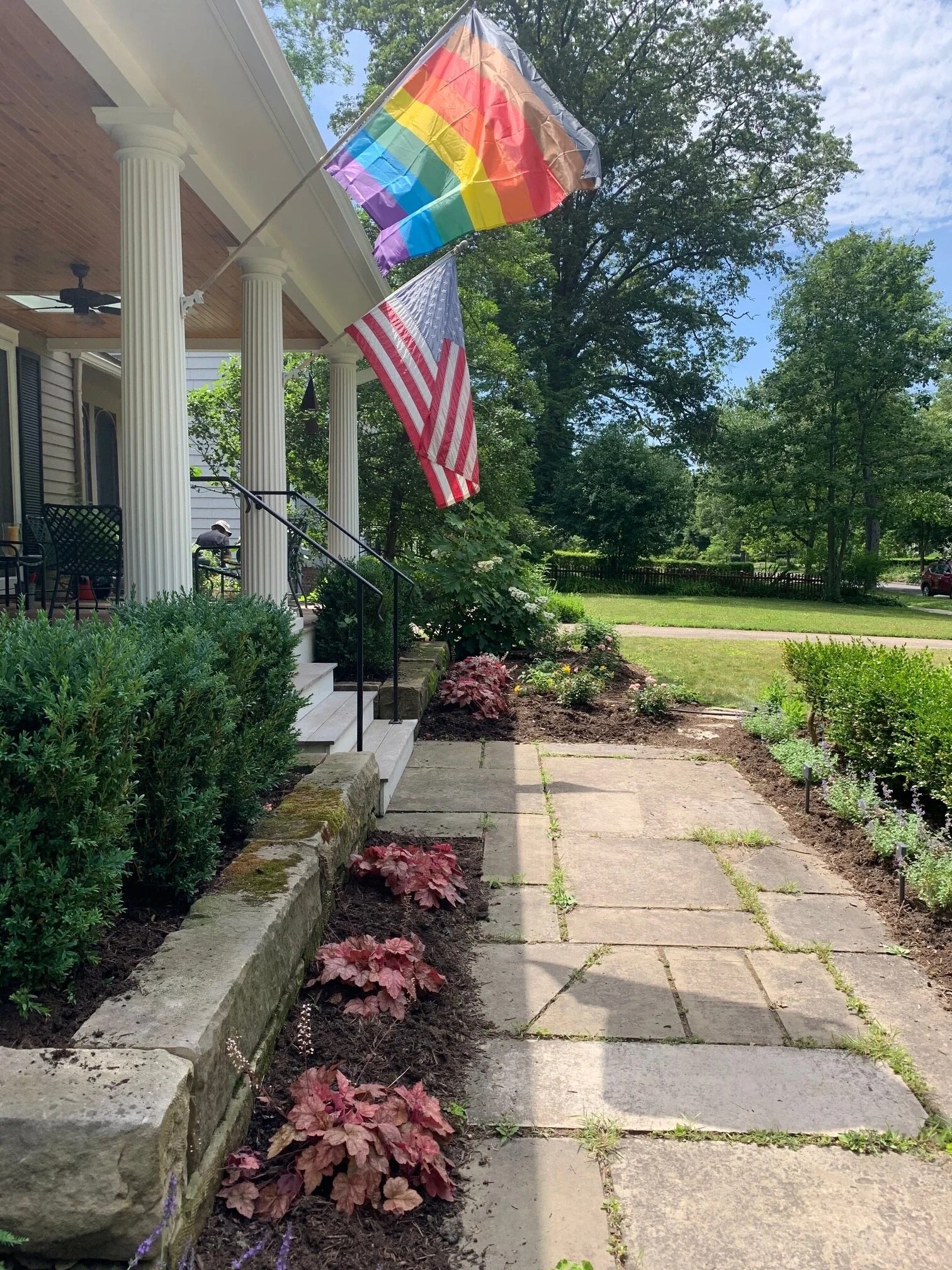
I can’t help but ask: Who is sowing good seeds in our field, and who is sowing weeds among the wheat? I also can’t help but wonder: How much damage to the crop will be done by these weeds? How are we going to collect the weeds and burn them? And who is going to lead the reapers and harvesters? In other words, how are we going to manage the damage being done to our nation, who’s going to lead us out of this mess, and what must be done to harvest the wheat and destroy the weeds?
Writing from a city that has been deeply affected by the virus, the economic crisis, the political upheaval, and systemic racism — I can’t help but wonder how we will repair the damage. What I do know is this . . .
The 2020 election really matters; and every voice must be heard and every vote must be counted. What I believe is this: Every person and every life matters, but no life matters until and unless all black lives matter. What I hope is this: The Spirit of God — whom we call by many names and come to my many paths — will enlighten, empower, and embolden all of us to ask the right questions, listen carefully to the answers, seek the common good, and vote with faith, hope and a commitment to justice for all.
What do you know? What do you believe?
And what do you hope for as you wait out the virus and watch the world from your porch?
Hard, Shallow, Thorny and Good
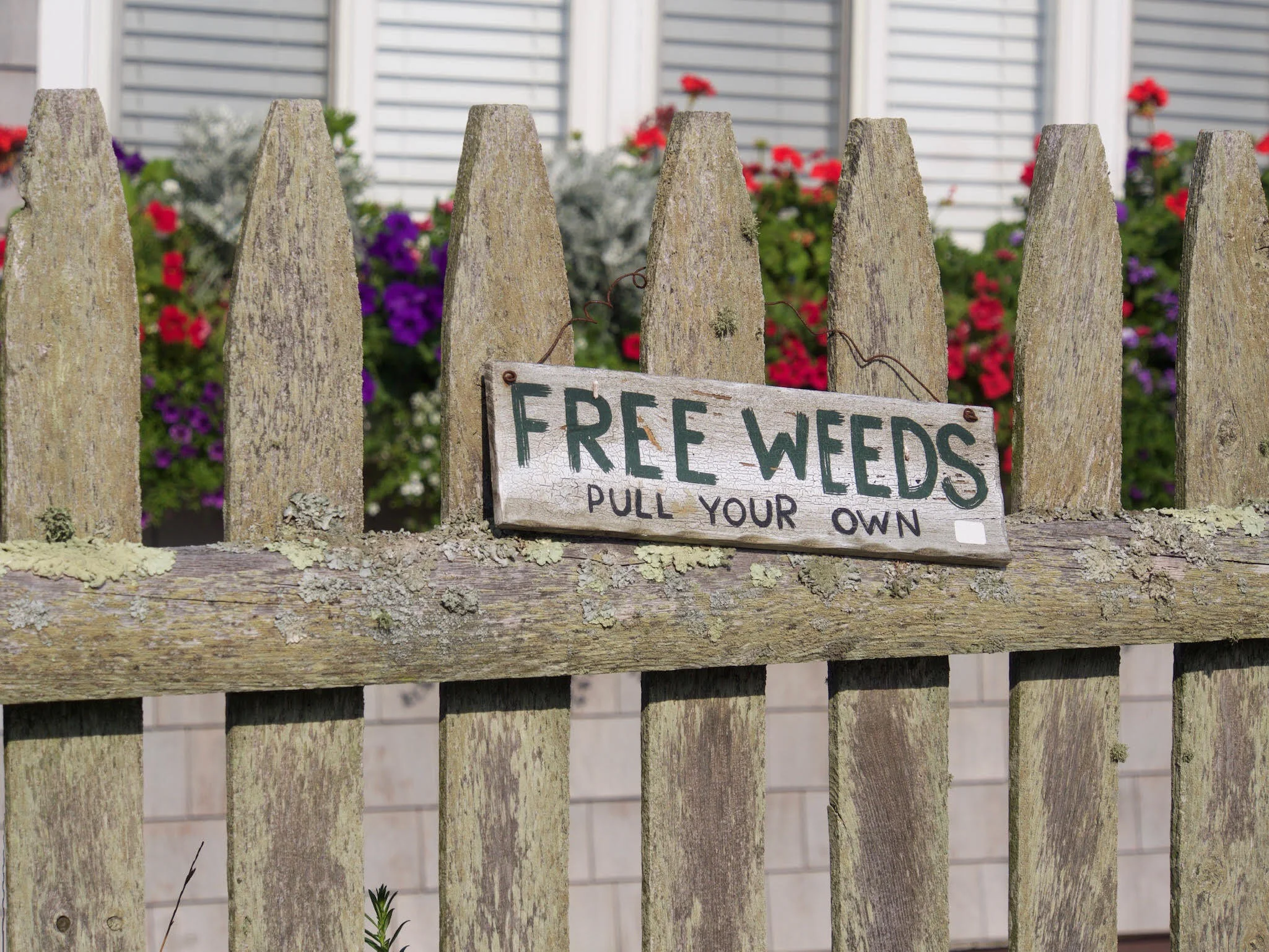
This Sunday’s gospel portion is the familiar parable of the sower, the seeds and the soil. The story, as it is told by Matthew (13:1-23), is located between stories of rejection and opposition. It wrestles with the question — where does the Gospel (or any new idea) find a hospitable environment for acceptance and growth?
The parable involves a sower of seeds, a farmer who according to modern agricultural standards would not be considered very wise in his planting style. But to his listening audience, it all made sense. Whereas we spend a lot of energy preparing the soil for planting, first century Palestinian farmers scattered their seeds and then plowed the ground, sometimes hitting rocks, bad dirt and dormant thorns. As Jesus explained to his listeners, there are four kinds of soil — hard, shallow, thorny and good — each yielding a different response to the sowing.
The parable reminds us of the necessary conditions for both physical and spiritual growth. Jesus understood the difficulties and obstacles to growth. In his hometown rejection, Jesus himself had experienced hard ground. When his disciples lost faith in a storm at sea or doubted the validity of his words, Jesus encountered shallow ground. He ran into thorns when the religious authorities tried to choke out his message. And yes, his seeds of wisdom often found good and fertile soil, ripe for the planting.
You and I also know about sowing seeds and bearing both the joy of success and the heartaches of failure. If nothing else, COVID-19 is teaching all of us this lesson in new and profound ways. Just think about retailers, restaurant owners, educators, musicians, church leaders, first responders and medical professionals. Everybody's learning how to adapt to this “new normal” — some with more success than others.


At the end of the parable is the account of a miraculous yield. The opposition might eliminate the majority of the seed, but out of scarcity emerges remarkable abundance. Once again, Jesus calls his followers to be trusting planters of life and love, recognizing that God’s vision will be planted, nurtured and harvested in unexpected, broken and desperate places and situations — even our current COVID pandemic, economic disaster, civil and political unrest, and climate crisis.
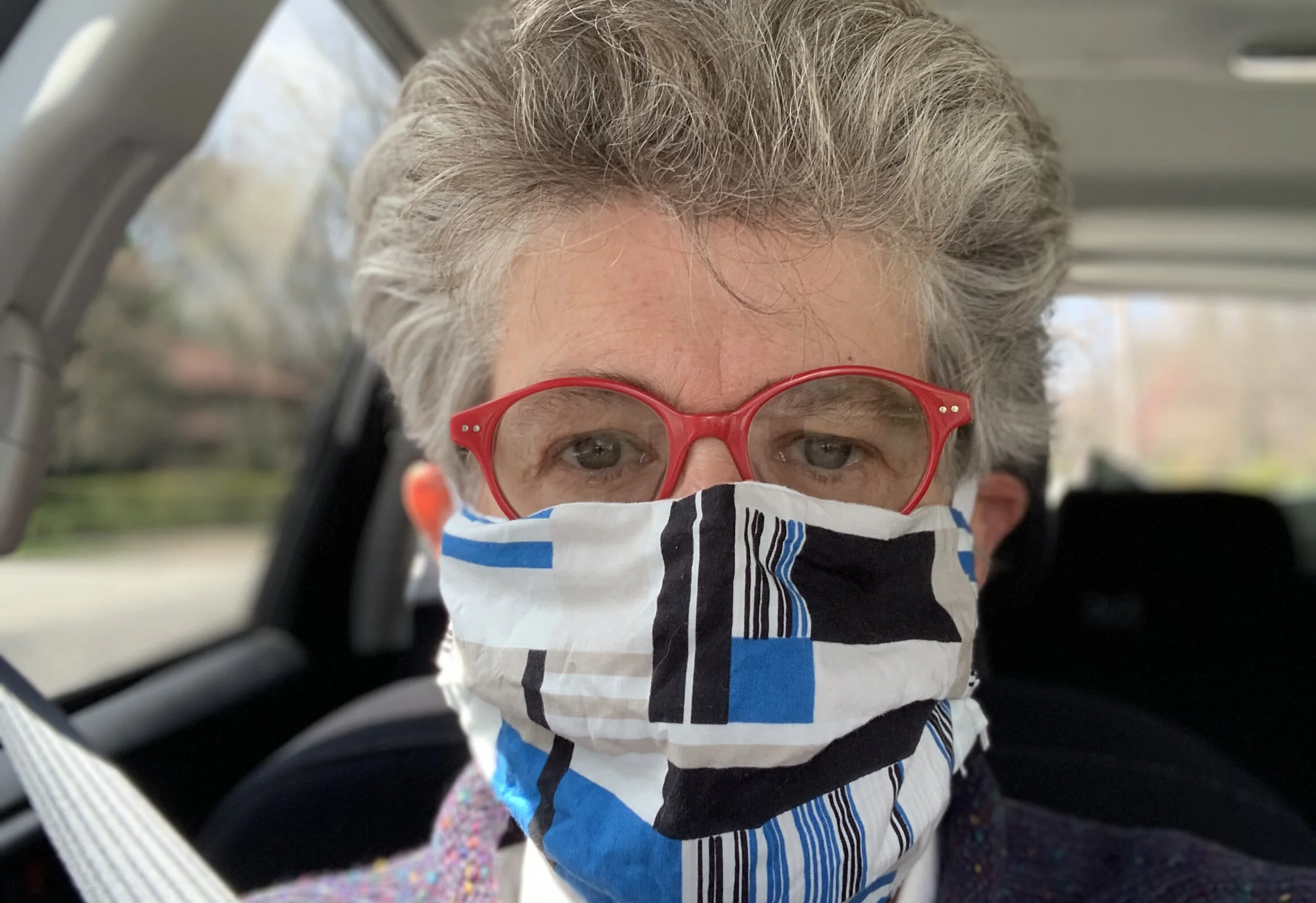
So this week, as you weed and water your garden or sit in one more zoom meeting, as you read the news, make yet another adaptation to your daily routine, wear your mask, and keep your social distance, think about how you can spread seeds of justice, hope, love and mercy. Recognize that in every place and everyone is potentially good soil. Learn how to deal with opposition and temptations. Don’t worry too much about the results. Don’t waste your energy in points of resistance; move on and kick the dust off your shoes. Realize that some will prepare the soil, others will plant the seeds; some will weed and water, and others will harvest. And believe with all your heart, soul and mind that in the end, if we’re lucky, our world will realize new and miraculous growth — maybe even a surprisingly abundant harvest of good.
Anger and Hope: Living with Dementia during COVID-19
Originally published/broadcast on March 26 via UsAgainstAlzheimer’s.org
Editor’s note: Greg O’Brien and Tracey joined together in a video conversation on March 26 about their thoughts on living with dementia during the COVID-19 pandemic. Greg is author of On Pluto: Inside the Mind of Alzheimer’s and has early onset Alzheimer’s. This is the first of what will be a series of conversations over the coming months in which they discuss issues of the day and topics important to them as people who are living with dementia. This conversation has been lightly edited for clarity.

May 5, 2020 - Reverend Tracey Lind and Greg O’Brien
Tracey Lind: I’m in Cleveland, Ohio where our Governor has been fairly aggressive in social distancing and stay-at-home orders. I know people with coronavirus. Some of my Episcopal clergy colleagues were people who got the virus early on. So, you know I’m trying to be really, really careful because a few years ago I got pneumonia, and it was after getting pneumonia that I did my slide into dementia. I’m not saying that’s what caused the dementia. But shortly after I got sick, it came on. And I’ve been working really intensely for a couple of years now to get better and to manage FTD better. And I’m doing really, really well. So honestly, I’m a little scared of getting coronavirus because I don’t know what it would do to my brain again.
But the other thing is that a lot of our work has been traveling around the country talking about this disease and trying to destigmatize and educate people about dementia. And obviously that work is completely shut down for a while. So, I’m trying to find a routine of “what do I do?” But I don’t think that’s different than a lot of people. I don’t get confused a whole lot. I do get anxious. So, I’m working really hard to manage my anxiety.
One of the things I’m doing is making phone calls to a retirement community where there’s not a chaplain. So, I’m being a telephone chaplain, and I’m talking to some people in the memory unit and they’re very confused. People with advanced dementia don’t understand what’s going on. They don’t even know there’s anything wrong necessarily. There’s one guy who thinks he’s on a cruise ship. And they keep telling him he can’t get off because there are people sick in the port. And he’s like, “Ok, I’ll just stay on the cruise ship.” And another one of my friends there says, ‘It’s really quiet here. And they don’t want us walking around and I don’t know why.” So, I think for people with dementia who don’t understand what’s going on in the world, this is bringing out a level of anxiety that probably is very frightening.
Greg O’Brien: My answer might be a little different. I’ve noticed heightened confusion, rage and anger. I’m here at home with my wife, Mary Catherine, and son, Conor, and I’m shouting and screaming and forgetting more and more. And I’m not understanding what’s going on. And on top of that, I’m still fighting off the residue of bronchial pneumonia that I had five months ago. And my doctors tell me that with the journey I’m on – I also have prostate cancer – that my immune system is horribly compromised. So, I’ve been told to stay away from everyone. But my wife and son are still here. And I find myself yelling at them and apologizing a lot. So, this is a joke, so you can laugh…I found my wife the other night on social media just checking senior dating scenes. There’s a thing called Silver Singles. That’s a joke – okay no one’s laughing. But it’s confusing and just following what’s going on – anyone’s who’s watching knows, it’s totally freaking confusing what everyone’s saying. Please bi-partisan, genius in medicine and bi-partisan, genius in the economy tell me what the hell is going on.
Tracey: You know, Greg, I’m not sure that’s Alzheimer’s. I think that’s a lot of us.
These are things that I know: my short-term memory is pretty compromised. I am having a hard time reminding myself to be really good about washing my hands and using Purell and all of that stuff. And I get scared. I get obsessed with watching the TV and then I get scared. Like a lot of senior citizens, I don’t like to think of myself as a senior citizen. But I too had bronchitis recently, and I don’t like to think of myself being in that at-risk population. But I know that I am. And I know that if I get sick it’s going to be really hard.
But the thing that really scares me is if something happens to Emily. And I think that’s what she’s really scared about is, what if something happens to her, who’s going to take care of me? And I’ve been watching Emily scrambling around making sure that all of our vital information is in a location where I can manage it for as long as I can manage it. I know she’s made phone calls to the power of attorney folks to say, you know, “I’m putting things in order just in case.” I think it’s just bringing the reality of our mortality.
Greg: I think that’s true and it’s exacerbated because I have to fight off bronchial pneumonia now. And I can’t fight off the symptoms from Alzheimer’s and dementia. So, I feel deeply, deeply depressed. And it’s very concerning.
Tracey: You know I’ve been on some of the support group Facebook pages of the folks living with frontotemporal degeneration (FTD). And part of what helps you manage it, and I assume it’s true for Alzheimer’s too, is keeping to a routine and a schedule. And also, daily interaction with certain people, especially when it becomes more advanced and you can’t go out. But I know for me that routine is what keeps me healthy. And that routine has gone to hell in a hand cart right now.
So the people I want to have coffee with and the yoga class I want to go to, and all the things I want to do, and I know that’s what my friends with FTD are saying on the Facebook pages, without our routine we’re feeling more isolated and helpless. And we’re not in the working world where you can do something about it.
Greg: The going for coffee – I’m not allowed to drive, so my son will drive me or if I’m going to the gym. You know I can’t do that now. And so, I feel the isolation, I feel the loneliness, the confusion, even more than what I was feeling before. The short-term memory has gotten worse. And then the confusion, so there’s anger here. Can I tell you about the anger beyond just exploding and dropping F-bombs with people?
First of all, I have total love and sympathy for all the people who are sick right now with coronavirus. As a journalist, I look at the numbers, the numbers of people stricken and dying from the coronavirus. And I’m still on board with the shelter-in place because I think that’s preventing other people from getting it. But let me cut to the quick here. What so upsets me, and I’m hoping, which it will, that the coronavirus passes, and that people will start to say what else did we miss?
Right now, 44 million people who are suffering in the world with Alzheimer’s and other forms of dementia and nobody says a freaking boo about it. And I find that insulting. And I find that having lost a maternal grandfather, a mother, a father to these demons, it’s just who we are as a society. And I understand nobody wants to do anything until there’s a crisis. But God damnit there’s a crisis in Alzheimer’s.
Tracey: I hear your anger. You and I know, Alzheimer’s and FTD and other forms of dementia, they’re not contagious. I mean people sometimes think they are but they’re not.
I think two things. One is I think this is going to distract from the research and advocacy that we were starting to see some progress on for the various forms of brain disease that cause dementia and that’s upsetting to me. The AFTD annual conference was cancelled, which is when all the researchers in this area come together.
But two other things that I would raise from a public policy standpoint that make me angry is this crisis is showing how broken our medical and health care system is. And I resent our president having the audacity to say he inherited a broken system and now he’s going to fix it. I think that is just utter egotism and narcissism. But I also am upset because I think this is going to wipe so many people out financially who are really counting on having some resource to deal with long term care for Alzheimer’s and FTD and other dementia. And that really scares me.
On the other hand, I’m also hopeful because I think this is going to raise up the whole question of universal health care. And I think it’s going to raise up the question of fixing our broken health care system in this country. And people like you and me, Greg, are going to benefit from that I hope and pray.
Greg: Amen to that.
Tracey: Greg, I just wanted to tell you to take care of yourself and be smart right now. You know what I mean? Be smart and try to count to 100 before you yell too much at people who really love you the most.
Greg: Okay, I love you too. You guys take care. I’ll look forward to the next talk.
COVID-19: A Worldwide Sabbath
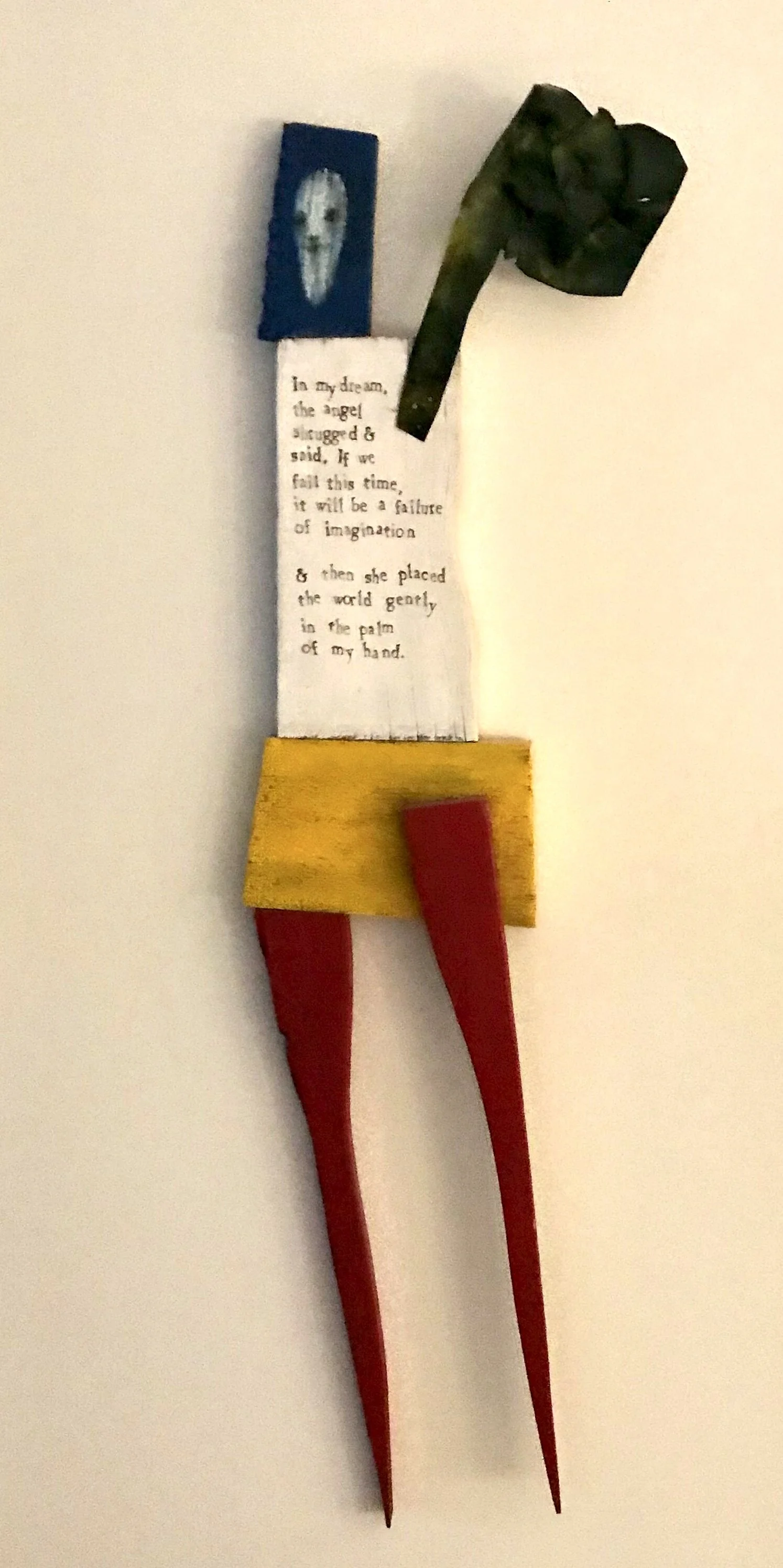
Many years ago, I discovered an artist and storyteller named Brian Andreas. Perhaps you know his work or even subscribe to his daily story. He makes interesting “people sculptures” out of wood and tin in an exploration of what he calls “the human community.”
We have one in our foyer that I see every time I come and go from my home. It is a reminder of what God and the universe expect of me. It says:
In my dream, the angel shrugged and said, if we fail this time, it will be a failure of imagination, and then she placed the world gently in the palm of my hand.
A purposeful life
What if our collective purpose is to use the imagination that we have been given to help create a better world? And when we don’t succeed, it’s probably because we forgot to use our imagination, didn’t use it wisely, or it got interrupted, derailed, sidetracked, or intercepted.
When, for whatever reason, our purpose is blocked, we need to hit the “reset” button and try again - perhaps, changing our strategy or approach. You know the old saying attributed to Albert Einstein: "The definition of insanity is doing the same thing over and over again, but expecting different results." I think that as we emerge from our COVID quarantine, we’re going to be called to use our individual and collective imaginations to help create a more nimble, just, compassionate, and connected — but smarter — world.
One of my teachers, Frederick Buechner, described purpose as vocation (vocare), or the intersection of your passion with the world’s need. That’s also a good way to think about purpose or intention. Judaism defines such purpose as Tikkun olam, “to repair the world.”
Discerning our vocation - finding one’s purpose - is part of our role in repairing the world. For some people, that will include helping find the cure for COVID-19. For others, that will mean building stronger communities, helping our neighbors. That’s our life’s work.
If you follow me on Facebook, you know that I’ve come to really like jigsaw puzzles. They’ve become part of my brain health protocol. I think discerning one’s vocation, finding one’s purpose in life, is a lot like a jigsaw puzzle. We find the pieces and then put them together.
We take our natural gifts, strengths, and talents and pair them up with our interests and the world’s needs. And then go to work. As my friend Rosie Grant taught me: “It’s about asking the right question,” and then listening hard for the answer.
We can’t have it all.
We can’t do it all.
There’s simply not enough time and energy.
So, we have to make choices and compromises in our lives.
But . . . everyone can have a vocation. It’s never too late.
And you know what?
You can have several chapters in your vocation.
You can have a few vocations in your life’s work.
I’ve spent a lot of my life wrestling with the universe over my vocation, my purpose. I felt called to ordained ministry as a youth, but as a child of an interfaith marriage, I couldn’t decide whether I should be a rabbi or a minister. Eventually, I went to the Union Theological Seminary in NYC to figure it out. On the day of registration for my second semester, I had a conversation in a McDonald’s restaurant on 42nd Street with an internal voice that I call “God.”
And when I asked the voice inside of me, the voice of wisdom that I believe resides in all of us, “Why me?” The voice responded: “because you’ve been asking and seeking.” Purpose doesn’t just come to us; we have to look for it, like a pearl.
Your purpose does not have to be something huge or grandiose. It can be as complex as creating and distributing the COVID-19 vaccine, or as simple as checking in on your elderly neighbors. It can even be both
For over 30 years, I followed the voice I heard in McDonald’s as a priest in the Episcopal Church. The voice led me to the South Bronx, Paterson, NJ and eventually to Cleveland. It led me to work for justice, seek interfaith understanding, and challenge organized religion to pay attention to those on the edge.
Then, on Election Day 2016 (a bad day all around), at the age of 62, I was diagnosed with early-stage dementia, caused by Frontotemporal Degeneration. My doctor told me that if my condition followed its usual course, eventually I would become unable to speak, write, read, and understand language, and then I would likely be unable to swallow, and then I would die.
My career came to a crashing halt, and I’ve spent the past three years coming to terms with that and sharing my experiences living with dementia, attempting to destigmatize this dreaded disease and make meaning of it. This is not a vocation of purpose that I would have imagined, but in the process, I’ve learned a lot. I’ve changed my lifestyle in an effort to manage my dementia as a chronic condition rather than a terminal illness. I’ve met some wonderful new friends and traveled to lots of great places.
And then came COVID-19
COVID-19 has imposed another sudden interruption, bringing a stop to all of our speaking engagements and travels. Come to think about, it’s imposed a stop in my local wanderings as well. COVID-19 has imposed a global stop - a break on life as we all know it.
As awful as it’s been and will continue to be for many, COVID-19 has actually imposed a sabbath on the world, an invitation to pause and breathe.
Have you noticed how much clearer the sky is? Have you read about the reduction in environmental pollution and probably some global warming? I don’t want to make light of what is happening for:
Those who are sick and dying
Those on the frontlines trying to save lives and serve daily life
Those who have lost loved ones, incomes, and ways of living
Those who are frightened and confused
While I don’t want to make light of what is happening, I also see something new trying to be born. We are in the midst of a great emptying of our old way of being in the world, a gestation time for a new birth.
“Why waste a good crisis?”
I don’t know who first said those words, but I think she captured some real truth. This is a global crisis that invites all of us to find new purpose. COVID-19 challenges all of us to discover new ways of being in the world. And that’s going to require all kinds of new ideas. New ways of gathering with safe distancing. New ways of operating retail shops. New ways of bringing art, education, commerce and community alive.
Finding purpose anew
I have a friend who is a hospital chaplain. She was burned out, ready to retire. COVID 19 happened and re-invigorated her vocation. She recently said to me, “Now I know why I’m here doing what I do.”
Bernard Colton, a 9th Ward New Orleans grocery store owner, recently told a news reporter, “I found my purpose and my purpose is service.”
And then there’s my very young friend Henry. He’s not afraid of the complicated future he and others of his generation are facing. He’s going to use his intellect to find solutions to the problems of our fragile earth.
Just like the words printed on my Brian Andreas sculpture: “In my dream, the angel shrugged & said, if we fail this time, it will be a failure of imagination & then she placed the world gently in the palm of my hand.”
I hope you will join me in considering anew:
What’s your purpose - your vocation?
How will this interruption, the pause and breath of COVID 19, impact it?
What will you carry or let go of when the world re-opens and you leave your quarantine?
How will you spend the rest of your crazy and wonderful life?
______________
Suggested Reading:
A Life at Work - Thomas Moore
A Life of Being, Having and Doing Enough - Wayne Muller
Let Your Life Speak - Parker Palmer
Falling Upward - Richard Rohr
Encore - Marc Freedman